Wireless earbuds have become remarkably good at shutting out the world. The problem is that sometimes you do not want them to.
Walking through a city, working in an office, exercising outdoors, or talking to someone while listening to music can make conventional in-ear earbuds inconvenient. Transparency modes help, but you are still putting something in your ear canal and relying on microphones to feed outside sounds back to you.
Samsung appears to be working on another solution.
An unreleased Samsung headset known internally as “Able” uses a clip-on, open-ear design that leaves the ear canal unobstructed. Reports suggest it could eventually be sold as the Galaxy Buds On, although Samsung has not announced the product or confirmed that retail name.
What makes this more than an ordinary rumor is the amount of supporting evidence behind the hardware. Samsung software appears to contain references and images associated with the device, while model SM-U600 has received FCC equipment authorization in the US.
Here is what we know so far, and what still needs confirmation.
These aren’t conventional Galaxy Buds
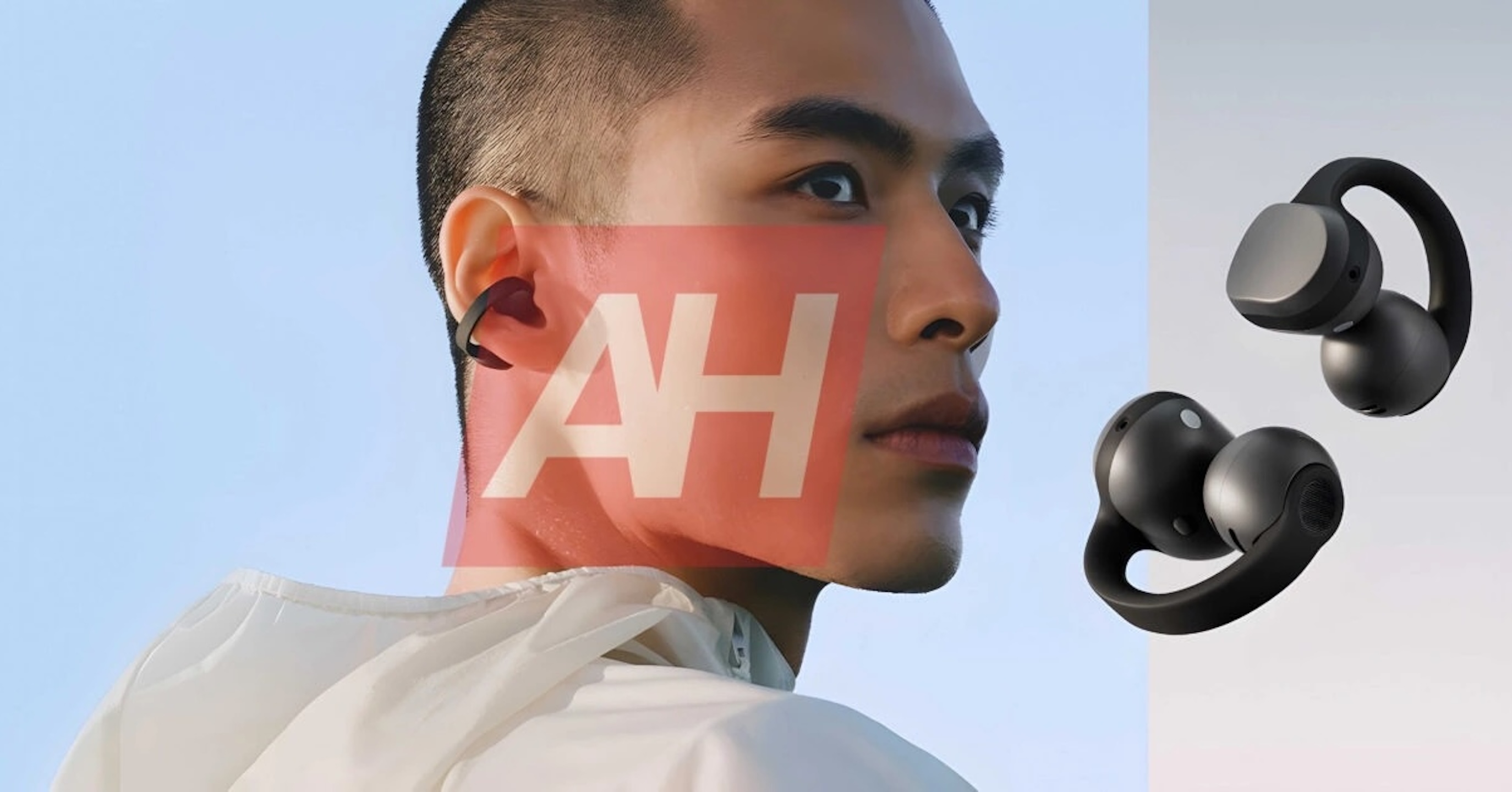
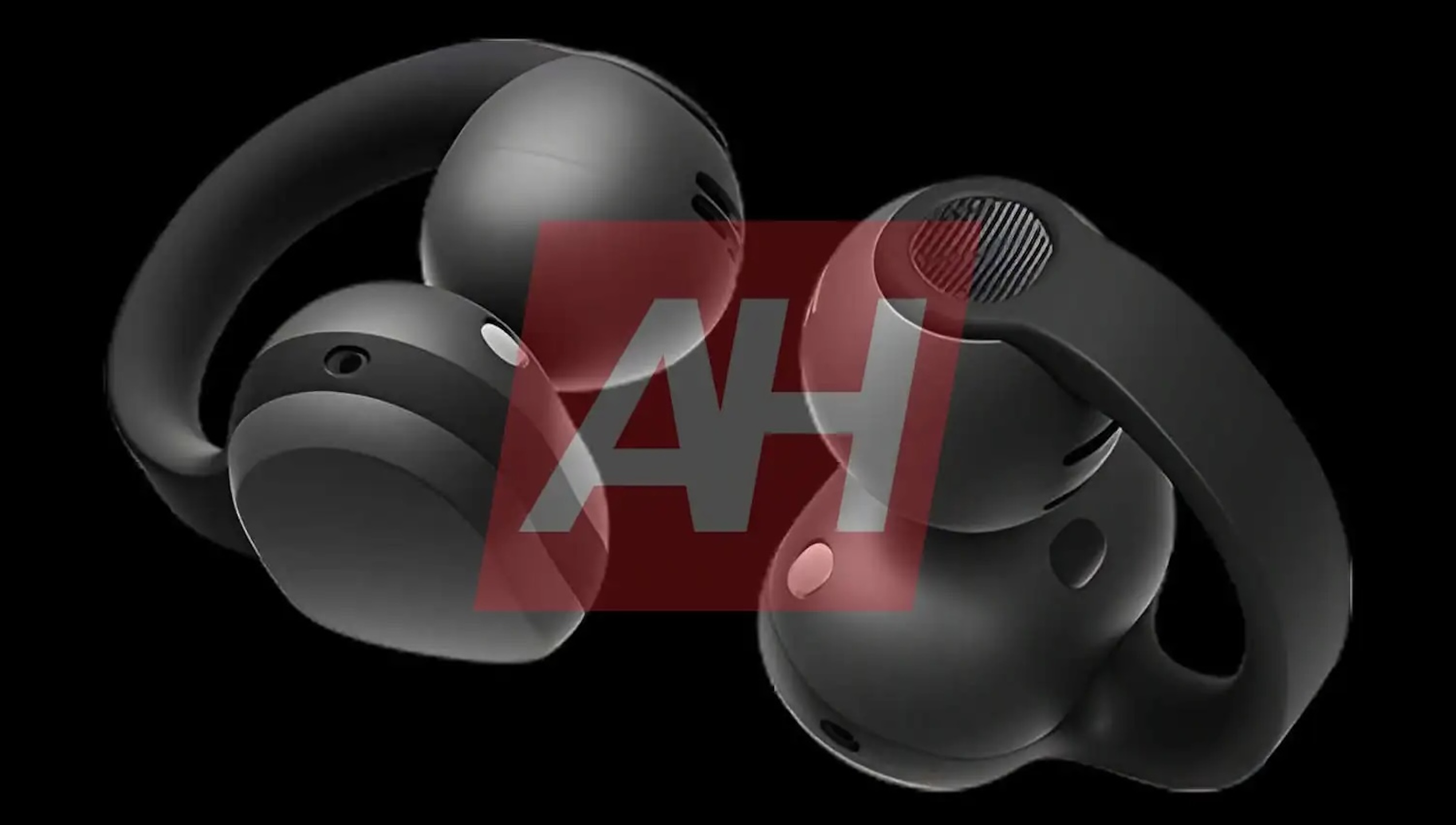
The biggest difference is the design. Images extracted from Samsung software show two rounded sections connected by a curved bridge. One portion sits against the inner part of the outer ear while the other rests outside, effectively clipping the earbud around the ear instead of inserting a silicone tip into the ear canal.
Samsung software has associated the project with the codename “Able” and model SM-U600. Galaxy Buds On, meanwhile, has appeared in reporting as a possible commercial name rather than in an official Samsung announcement.
That distinction matters. The product itself has substantial supporting evidence, but its final branding could still change before release.
The regulatory trail strengthens the case further. A battery associated with the device previously appeared in India’s BIS certification database, and SM-U600 received FCC authorization as a Bluetooth headset.
 Certification does not tell us exactly when Samsung will release it. The FCC filing is strong evidence that Samsung has a tested Bluetooth device progressing through regulatory approval, but it does not confirm a consumer launch or the final product name.
The open design could solve a familiar earbud problem
Leaving the ear canal open changes how you interact with the world while listening.
Instead of using microphones to reproduce traffic, conversations, announcements, and other environmental sounds, an open-ear design allows those sounds to reach your ears naturally. That could make Samsung’s new earbuds particularly interesting for commuters, office workers, walkers, and runners who value environmental awareness.
There is an unavoidable tradeoff. Open-ear headphones do not create the physical seal you get from silicone-tipped earbuds. That generally makes isolation more difficult and changes how manufacturers approach bass response and outside noise.
Earlier reports speculated that Samsung might use bone-conduction technology. More recent images appear more consistent with a conventional open-ear speaker design than with bone conduction, but Samsung has not confirmed the audio technology or exact speaker placement. It would therefore be premature to state exactly how the final product produces sound.
 Active noise cancellation is similarly uncertain. ANC controls have not appeared in the leaked software material reported so far, and 360 Audio with head tracking also appears to be absent. That does not prove Samsung has removed either feature from the finished product, particularly when we are looking at unreleased software.
Samsung is experimenting with interesting controls
The software discoveries provide a clearer idea of how Samsung expects people to interact with these earbuds. One reported feature is Auto Volume, which appears intended to automatically adjust playback volume. A separate Volume Boost option also appears in the software.
Head gestures could become another major control method. Samsung’s software indicates that users may be able to nod or shake their heads to accept or decline incoming calls without touching an earbud.
There are also signs that voice recording will play a larger role. The software includes an option for assigning Voice Recorder to a touch-and-hold gesture, potentially allowing users to start a recording directly from the earbuds. The leaked interface also points to Gemini and Bixby integration, voice memos, automatic transcription, and Bixby-powered searches through recordings.
Another software reference describes pausing playback when the connected phone detects that the wearer has fallen asleep. The feature reportedly requires One UI 9 or newer.
These clues are more persuasive than anonymous specification lists because they were found in Samsung software. They still should not be treated as promises, however. Features uncovered through app teardowns can be changed, disabled, or removed before a product reaches customers.


Several important specifications are missing
Key buying details remain undisclosed, including battery life, drivers, Bluetooth codecs, water resistance, weight, charging speeds, case capacity, and price.
Those details will determine whether Samsung’s earbuds are competitive or merely unusual. Open-ear and clip-on headphones are already established, so Samsung will need to compete on comfort, sound, microphones, battery life, ecosystem integration, and price.
Launch timing is also unknown. Reports suggest an announcement could be near, but Samsung has not provided a date. FCC authorization indicates advanced development, not a guaranteed release.
Who might want Samsung’s clip-on buds?
Whatever Samsung calls them, these earbuds could appeal to Galaxy phone owners who want wireless audio without blocking their ear canals, particularly at work, while walking, or during exercise.
Listeners who prioritize strong passive isolation and ANC should wait for Samsung’s complete specifications before deciding whether this new design fits their needs. Samsung’s conventional Galaxy Buds remain the more obvious format for listeners who specifically want their earbuds to isolate them from the outside world.
For now, the hardware and clip-on design are well-supported; the name, price, specifications, final features, and release timing are not. Those details will determine whether Samsung’s first reported clip-on earbuds are genuinely useful or simply different.
Sign up for our newsletter today.
No ads, no spam, just links to our latest articles!