Many people treat Palma as a stopover. They land, spend a night somewhere near the old town, do the cathedral, and leave for wherever they actually booked the trip around the island. Having now watched this happen many times, Privadia, which books private villas for guests in Mallorca, and has done so for years, would gently suggest that’s the wrong approach. The city itself is worth your time, and the best way to experience it is from a base outside it, coming in for the day rather than sleeping inside the noise.
The food scene is genuinely serious. The architecture is stranger and more layered than photographs suggest. The old town has corners most visitors never find because they’re walking too fast. A well-spent day covers most of what matters.
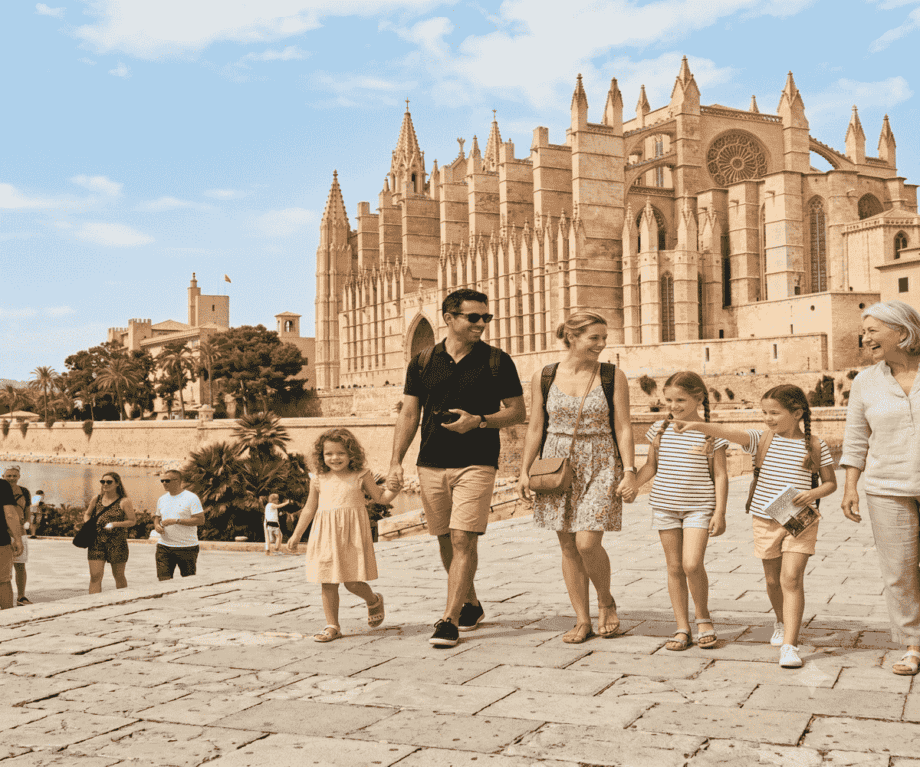
Walk down to the seafront below the cathedral walls before you go inside. Don’t skip this part. The building sits on a promontory above the bay and was deliberately positioned to be seen from the sea. Until you’ve stood below it and looked up properly, the photos from the esplanade won’t have prepared you.
Inside, the thing to look for is Gaudí’s work. He was brought in around the turn of the 20th century to restore parts of the building and promptly moved the choir stalls from the centre of the nave to the sides, still argued about, then hung a wrought-iron crown of thorns above the altar. It’s enormous. From a distance it looks like something made of paper. Worth a proper hour of your time.
This part of the city was the Jewish quarter until the 15th century. The courtyard architecture from that period held up as you’ll find patios with exterior stone staircases and orange trees growing out of the stone floor, some of them accessible if you push the door and it isn’t locked. Most visitors walk past without noticing.
On Carrer Serra, inside the garden of a private house, there are 10th-century Arab baths. The original hammam, not a reconstruction. The sign outside is easy to miss. That’s why most people miss it.
Passeig des Born is 10 minutes west on foot. Built over a watercourse in the 19th century, flanked by buildings that were palaces before they became banks and shops. Walk it once each way and then sit somewhere. On a weekday morning, the locals are at coffee and nobody is rushing anywhere. Probably the most pleasant version of Palma, and it costs nothing.
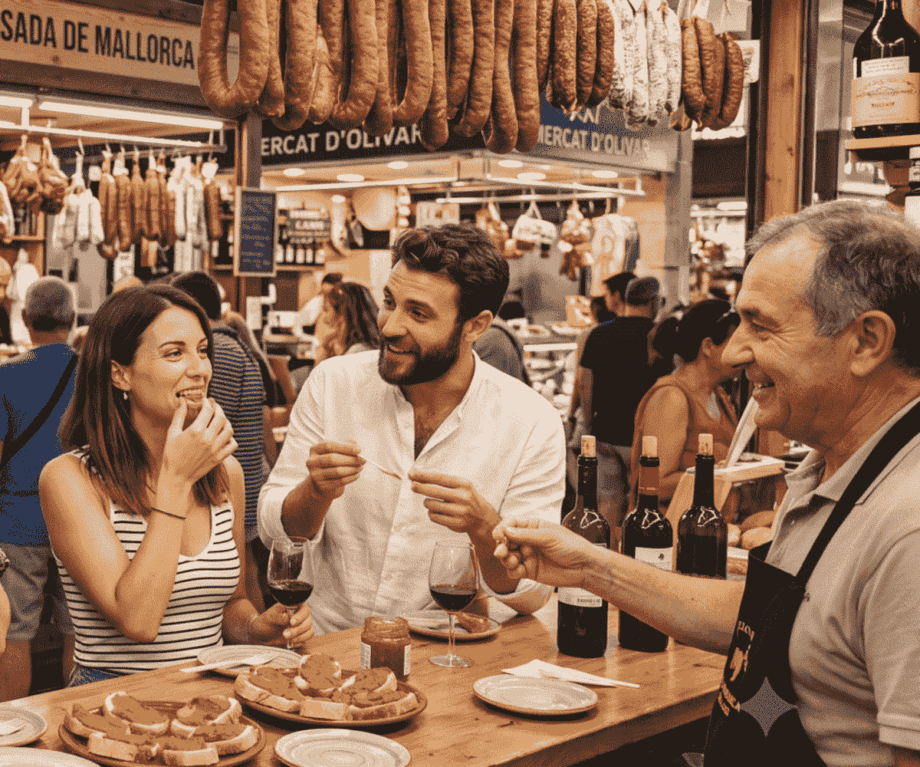
The food market here has fish from the overnight catch, charcuterie from local producers, and vegetables that were picked this morning. Go even if you’re not buying anything. The neighbourhood around it has spent the last decade turning into the part of Palma where people who live there actually eat, as opposed to where the tourist trail ends up.
Marc Fosh; in the Convent de la Missió hotel, which was an 18th-century convent and still looks like one from the inside, holds a Michelin star and has been doing so consistently for long enough that the consistency is real. Modern Mediterranean cooking, calm room, service that doesn’t make you feel processed. You need to book.
DINS Santi Taura at the El Llorenç hotel is doing something different and more personal: Mallorcan culinary history worked into a tasting menu by a chef who seems genuinely interested in what the island actually tastes like rather than what it’s supposed to. Also needs a reservation.
If neither of those works for the day: Sa Llotja near the old exchange building. Seafood. Whatever came off the boats, prepared simply. No performance. The fish is the point.
🌟 Luxury hotel deals from Booking
🏡 Vacation rentals from VRBO
✈️ Flights from KIWI
🛫 Private jets from Private Jet Finder
🅿️ Airport parking from ParkVia
🛋️ Airport lounges from Priority Pass
🚖 Airport taxis from Welcome Pickups
🚗 Car rentals from Discover Cars
🚐 Luxury RV rentals from RVshare
🚢 Cruises from Cruise Direct
🛥️ Ferries from Direct Ferries
🎫 Attractions tickets from Tiqets
🏞️ Tours from Viator or GetYourGuide
🛡️ Travel insurance from Safety Wing
🏥 Medical insurance from World Nomads
🧳 Luggage from Case Luggage
🛅 Luggage storage from Stasher
📚 Travel guides from Lonely Planet
📕 eBooks from Kindle Unlimited
🎧 Audiobooks from Audible
🎬 Movies from Prime Video UK
🎵 Music from Amazon Music UK
💶 Travel currency from Wise
📱 SIMs from SimOptions
🌐 VPNs from ExpressVPN or NordVPN
🛂 Visas from iVisa
Most people skip it because the old town took longer than expected and by mid-afternoon the momentum has gone. Push through. It’s 15 minutes west of the centre by taxi and the views from the rooftop over the bay are among the best on the island. The building itself is 14th century, built on a circular plan which was unusual for its time and is still unusual now, and the museum inside is small enough not to demand much of you. The rooftop is what you’re there for.
One practical note: the cathedral esplanade gets crowded by midday. Bellver almost never does.
Back near the centre, the stretch from Passeig des Born toward the marina has the shopping you’d expect from a city with this much money moving through it. The Mallorcan shoe industry is worth a mention, Camper started here, and there are still manufacturers on the island whose products don’t appear anywhere else. Carrer Jaume II is the right area.
The marina itself is worth a slow walk late in the afternoon. Then Portixol; 20 minutes east along the seafront from the old town on foot, it’s a residential neighbourhood, quieter than the centre, popular with the international crowd that has relocated to Palma more or less permanently. Good for an aimless half hour before dinner.
La Lonja fills up properly from around nine. It has earned its reputation. The bars on Carrer Apuntadors are small and loud and correct.
For something more structured: Zaranda at the Hotel Es Princep has a Michelin star and chef Fernando Arellano doing creative, locally-sourced cooking with the kind of quiet confidence that doesn’t need to explain itself. The terrace in summer is very good. Adrián Quetglas on Passeig Mallorca does inventive tasting menus in a sleek room and is the sort of place that food-literate people have strong opinions about.
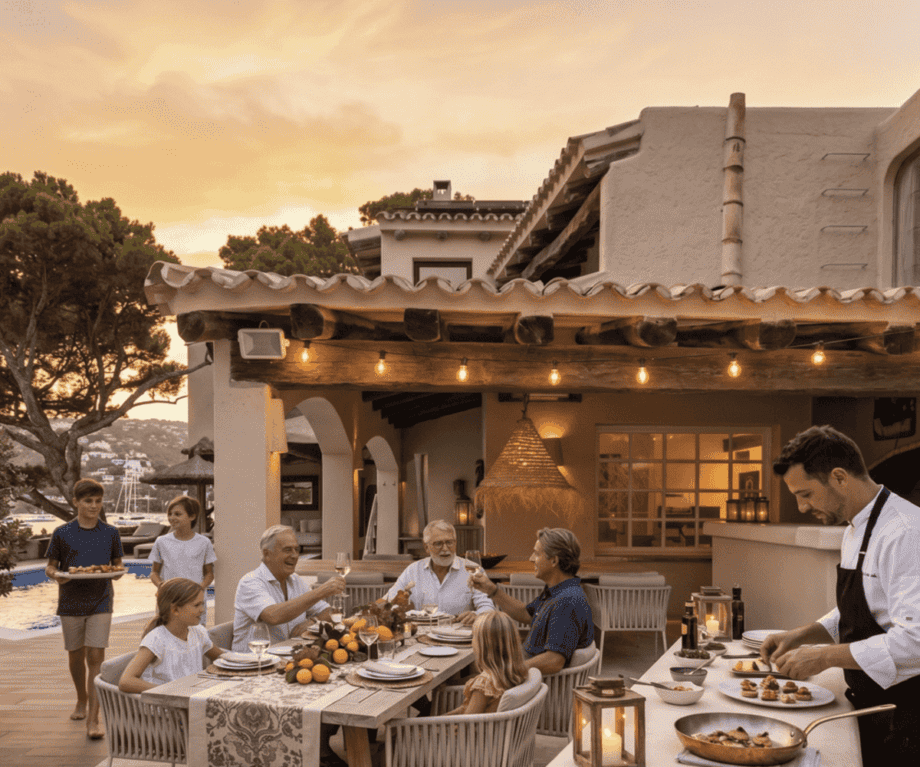
Neither of these opens until 8:30pm. Palma runs on Spanish hours and arriving anywhere serious at 7pm to beat a queue that doesn’t exist yet is a reliable way to start the evening badly. Book ahead. In July and August, the reservations that actually matter at the better restaurants are often not on the public booking system, this is where having a concierge contact who can make the call matters more than people expect.
The city has decent hotels. Can Bordoy and Hotel Sant Francesc are genuinely good. For a solo trip or a couple, either works fine. For anyone travelling with a group, or for anyone who’s stayed in a private villa with a pool and knows what that comparison feels like, the hotel option stops making as much sense.
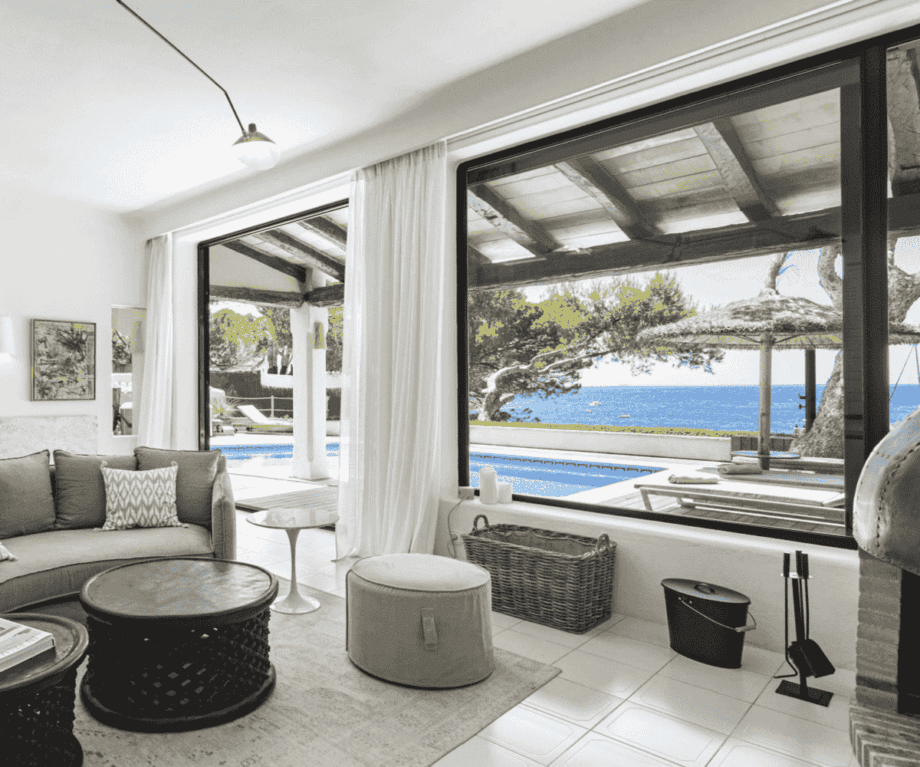
Son Vida, Bendinat, and Portals Nous sit southwest of the city, most of the serious private estates on the island are concentrated in this area, and the drive into Palma old town is under 20 minutes. Far enough to feel separate. Close enough that a morning in the city and an evening back at the villa is just a normal day.
Privadia has a curated portfolio of inspected luxury villas across this part of Mallorca, and all around the island. Concierge services are included, and restaurant reservations at places like Marc Fosh and Zaranda can be handled by the team for guests who don’t want to rely on the public booking window. Private chef arrangements at the villa are standard, not exceptional.
The village of Valldemossa is an hour’s drive through the Tramuntana mountains from Palma. Deià is nearby. The train to Sóller runs up through the mountains on vintage rolling stock and arrives, when everything is on schedule, at a station with original Modernista ironwork. It’s the sort of excursion that becomes the thing people remember about the whole trip. None of it requires planning two weeks ahead if you have a concierge; all of it does if you don’t.
July and August are busy. Restaurant tables at places worth going to are hard to get, the old town gets pressured, prices are up. June and September have nearly identical weather with significantly less of this. May is quieter still, and the city in May, before the summer crowds arrive is probably its best version.
October deserves a separate mention. The summer crowds are gone by then, the light is different; softer, lower, and driving the Tramuntana coast on a clear October morning is an experience most visitors to Mallorca never have. If dates are flexible, it’s worth considering seriously. For villa options near Palma and across Mallorca, Privadia’s portfolio is searchable online and you can easily get in touch with their sales team for availability and pricing, and they will put together a shortlist rather than leaving you to scroll.
Did you enjoy this article?
Receive similar content direct to your inbox.