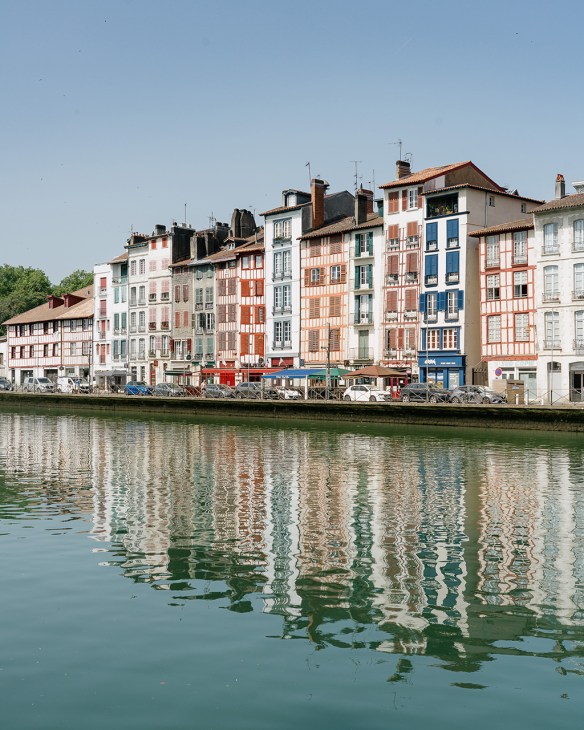
The French city of Bayonne is 30km from the Spanish border and 8km from the Atlantic-coast resort town of Biarritz. Its streets are known for their red-shuttered, half-timbered houses and striking Gothic spires. But it also has another claim to fame: the Musée Bonnat-Helleu. Nicknamed “the Little Louvre”, the museum has reopened following a 14-year, €35m renovation that doubled its size.
This remarkable repository of almost 7,000 sculptures, sketches and paintings was started by Léon Bonnat, a man with a deep dedication to his French-Basque hometown. In 1853, at the age of 20, he received a scholarship of 1,500 French francs (about the equivalent of a mid-income annual salary) from the city to study at Paris’s École des Beaux-Arts. He followed with a stint at Rome’s Villa Medici.
Bonnat’s breakthrough came with an 1876 portrait of Adolphe Thiers, the inaugural president of the Third French Republic. Painted in a style devoid of romantic motifs, the work revealed Bonnat’s flair for accurately capturing physical features. He soon became known as France’s official portrait painter and commissions streamed in from Victor Hugo, Alexandre Dumas and successive French presidents. It was an impressive rise for an artist from a provincial city.
Having amassed a small fortune, Bonnat began collecting artworks from antiquity, the Renaissance and the Dutch Golden Age. Then, in 1901, he commissioned the Musée Bonnat to house 3,000 artworks from his collection, including paintings and drawings by Leonardo Da Vinci, Michelangelo and Rembrandt. Lacking an heir, Bonnat decided that the Louvre was the only suitable custodian for the artworks and bequeathed the bulk of them to the institution in 1922 on one condition: they must remain on permanent loan in Bayonne.
The collection of 19th-century painter and engraver Paul César Helleu has since been added to Bonnat’s initial trove, hence the museum’s extended moniker. Today the size of the collection is equal to about 10 per cent of the works on display at the Louvre.
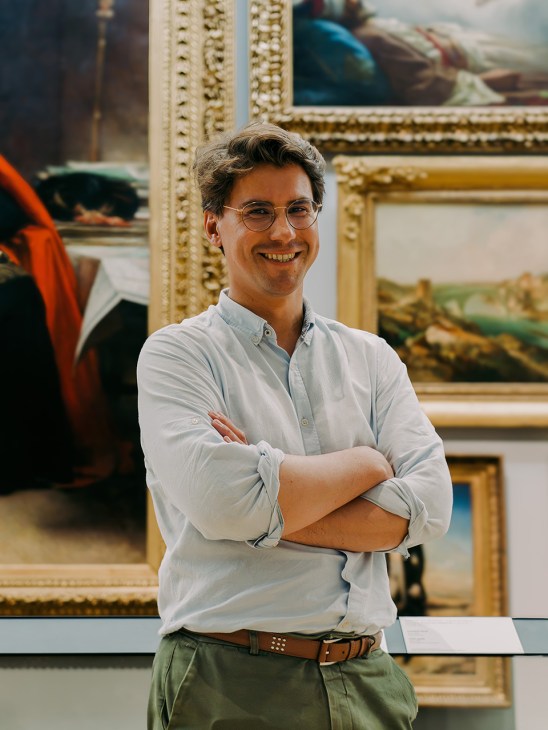
“It’s an unprecedented quantity of works for a gallery in a regional city,” says Barthélemy Etchegoyen Glama, the museum’s newly appointed director. The role is a homecoming for the affable thirtysomething, who was born in the village of Saint-Palais, 55km from Bayonne; he tells Monocle that his lifelong interest in art was inspired by a visit to the Musée Bonnat-Helleu when he was seven years old. Until late last year, he worked as a senior adviser to the Louvre’s director in Paris but returned here at the request of Bayonne’s mayor.
The renovated museum is as striking as the collection itself. Bonnat insisted on commissioning Italian mosaic artist Giandomenico Facchina, who created the flooring for Paris’s Opéra Garnier and the Petit Palais, to do the same here. This has now been restored, while the main gallery’s original glass roofs have been reinstated to let in natural light. There are striking juxtapositions: Egyptian sculptures sit next to a painting by Henri de Toulouse-Lautrec and a nude study by Théodore Géricault. “Though the museum houses centuries-old works of art, we still want its curation to feel contemporary,” says Etchegoyen Glama.
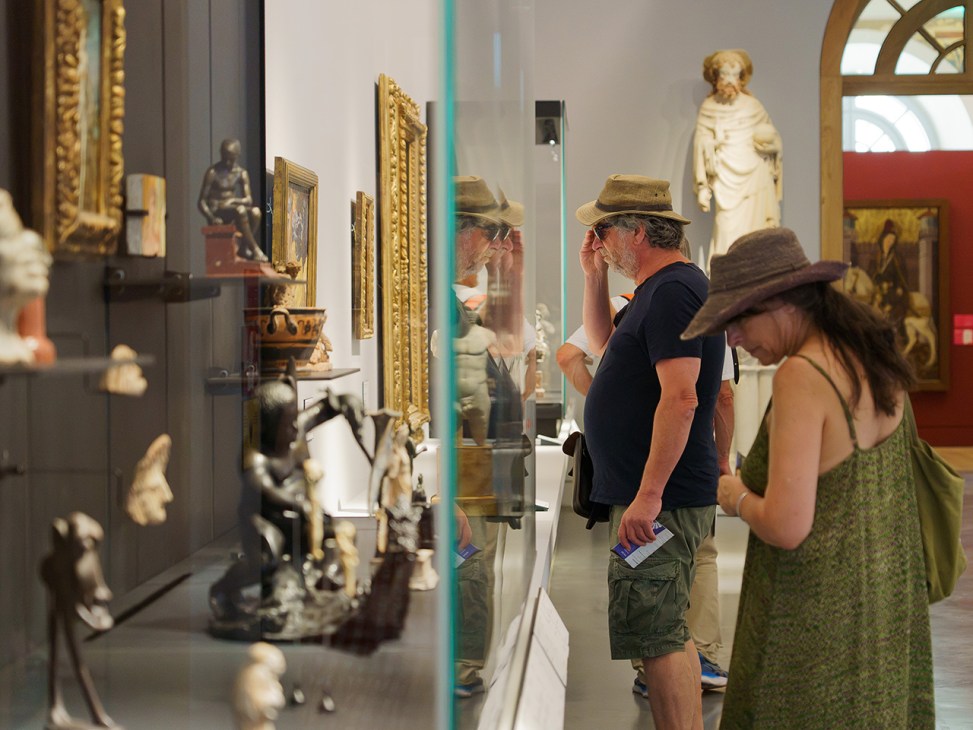
In the nine months since the museum reopened, it has become a fresh draw for a city that has historically been in the shadow of neighbouring Biarritz. “We don’t have its status as the mid-19th-century seaside resort of kings and queens or as a glitzy place where directors and cinephiles flocked in the 1950s,” says Etchegoyen Glama. The opening of the Guggenheim Bilbao in 1997 was a boon for the Basque region and Etchegoyen Glama hopes that the momentum that this has generated will help to keep the area evolving.
“We want to continue to add nuance to the region’s perception as a destination not just for surfing, pintxos and mountainous landscapes but also as a place for museums,” he says. The Musée Bonnat-Helleu’s director might be separated almost two centuries from the Bayonnais artist whose collection he first admired as a child but both are linked by a shared ambition: to put this small, sleepy city on the global art map.
mbh.bayonne.fr
Mano Mani
Julie Boucherat established Mano Mani to house her handmade Japanese ikebana vases and jewellery collections – but you can also find wicker baskets here by Sandra Lucu.
17 Rue Lagréou
Owantshoozi
Brother-and-sister duo Ddiddue and Juana Etcheberry transform military parachutes, hotel laundry bags and textile discards into colourful handmade bags and jackets.
32 Rue Poissonnerie
Monsieur Txokola
Drop by to pick up bars of rich, Bayonne-made chocolate, featuring regional ingredients such as Piment d’Espelette chilli powder.
11 Rue Jacques Laffitte
Brasserie Basa
In Bayonne’s former courthouse, chef Fabian Feldmann serves up the best of the Basque country’s bounty. Try the fresh trout gravlax and fennel-and-herb salad with miso dressing.
74 Rue d’Espagne
Plaisir
A contemporary canteen-style restaurant with Levantine accents. Don’t miss the sweet-potato croquettes with ginger, feta and red-curry mayonnaise.
9 Rue Marengo
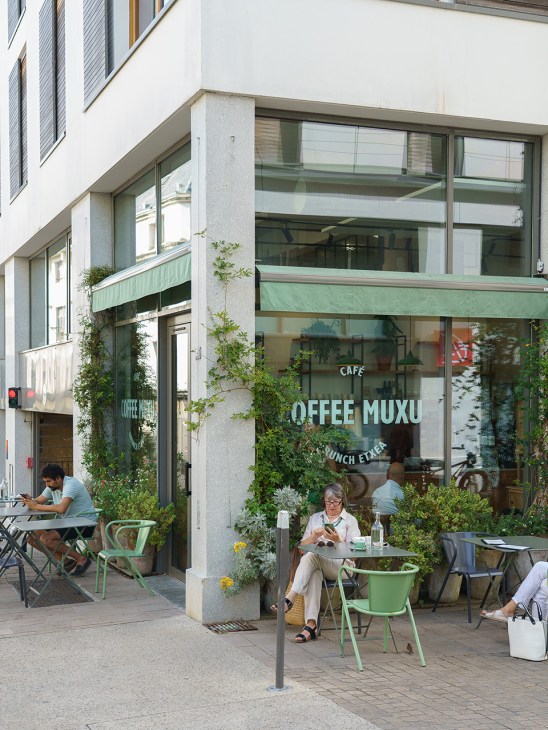
Coffee Muxu
Meaning “kiss” in Basque, Muxu makes sandwiches using local Ossau Iraty cheese, Bayonne ham and Basque trout. The menu is a love letter to the region.
3 Rue des Gouverneurs