This article contains affiliate links. We may receive compensation if you make a purchase using one of these links at no additional cost to you. See our Disclaimers and Terms of Use for more information.

Discover 40 delicious candies that you need to try at least once.

While food cultures and cuisines vary around the world, candy is universal. Sure, there are different kinds of candy, some of which may seem weird to Americans at first glance, but it’s impossible to think of a country that doesn’t have at least one candy that’s loved by kids of all ages.
Some countries take their love for candy to the next level. Both Belgium and Switzerland are famous for their milk chocolate while the Germans and Japanese push the envelope with a variety of creative candy favorites. Then there’s the US and UK which produce many of the world’s most popular candy brands.
Ultimately, it’s a big world with a lot of candy. The goal is to eat as much of it as possible.
We bought, photographed and ate each and every box, bag and bar of candy featured in this article. We challenge you to try as many as you can.
We love making candy discoveries whenever and wherever we travel. Thanks to globalization, it’s also something we love to do when we’re home in either Portugal or the US.
After eating a LOT of candy during our travels and at home, these are our picks for the best candies in the world:
1. Cadbury Dairy Milk Bar
Year Introduced: 1905
Country of Origin: United Kingdom
Current Owner: Mondelēz International, Inc.
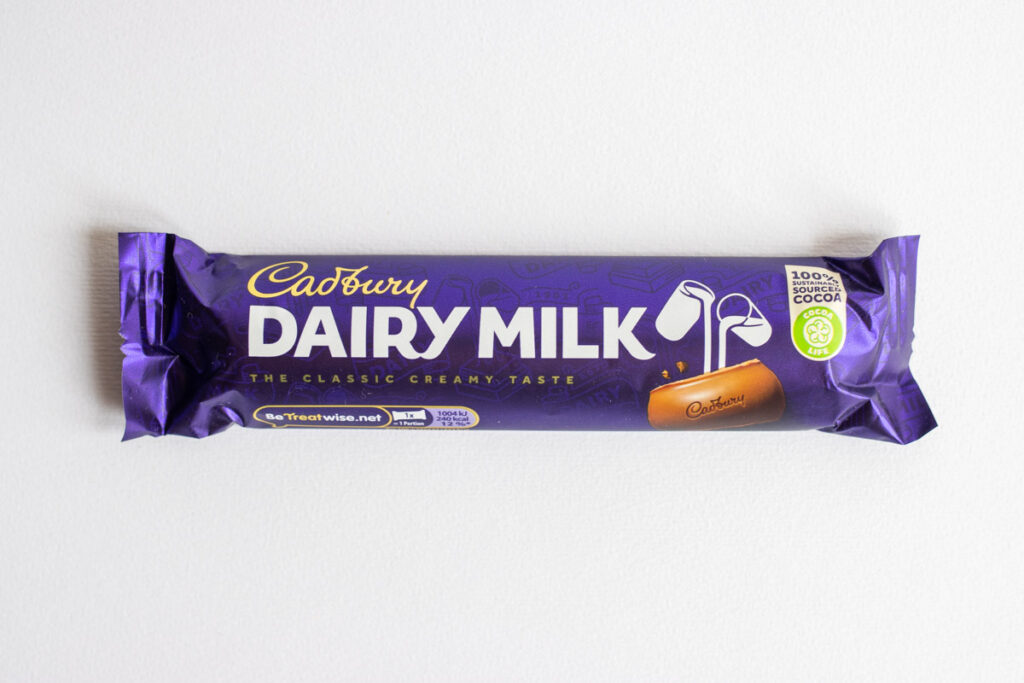
British people love Cadbury chocolates but none more than the Cadbury Dairy Milk bar. Allegedly made with a cup and a half of milk, the iconic milk chocolate bar is the best selling British candy.
Beyond the UK, it’s popular in every continent with the possible exception of Antarctica. Clearly, we’re not the only ones who love this creamy, dreamy milk chocolate bar. The same goes for Cadbury’s seasonal Creme Egg which is globally popular every Easter.
2. Chokito

Year Introduced: 1964
Country of Origin: Switzerland
Current Owner: Nestlé
Despite its Swiss roots, Nestlé’s Chokito is beloved in two disparate countries – Brazil and Australia. With its caramel fudge milk, crispy rice flakes and milk chocolate coating, the Chokito isn’t so different from the 100 Grand Bar which many older candy lovers still call the $100,000 Bar.
3. Chupa Chups Lolipops

Year Introduced: 1958
Country of Origin: Spain
Current Owner: Chupa Chups
The folks at Chupa Chups make children smile with colorful lollipops that come in different sizes and more than 100 flavors. (Apple, cola, strawberry and strawberry & cream are the most popular flavors.) Parents love Chupa Chups too since these lollipops are both affordable and mess-free. Little known fact: Salvador Dali designed the stylish logo for these Spanish treats.
4. Coffee Crisp

Year Introduced: 1938
Country of Origin: Canada
Current Owner: Nestlé
Coffee Crisp, Canada’s most popular candy, is a mystery to most people who don’t live in the Great White North. Produced in Toronto and similar to the Kit Kat, this chocolate-coated coffee-flavored wafer candy is exclusively sold in Canada, which explains the mystery. It’s a great candy bar to eat on the go or, better yet, with a cup of coffee.
5. Daim Bar

Year Introduced: 1952
Country of Origin: Sweden
Current Owner: Mondelēz International, Inc.
The Daim Bar is essentially a milk chocolate bar that’s filled with sweet, crunchy almond toffee. You’re not dreaming if this sounds familiar. For starters, you may have seen Daim Bars at Ikea before the Swedish superstore discontinued selling them in 2023. However, it’s more likely that you’re already a fan of Heath and Skor candy bars, both of which are currently produced by Hershey’s. All three candy bars are eerily similar.
6. Dubai Chocolate

Year Introduced: 2021
Country of Origin: United Arab Emirates
Current Owner: Fix Dessert Chocolatier
Dubai choolate became a global TikTok sensation three years after Fix Dessert Chocolatier launched the candy phenomenon in the UAE. The unique milk chocolate bar, filled with kadayif and pistachio-tahini cream, is simultaneously creamy, crunchy and sweet.
Despite its luxury price of approximately $20 per bar, the original Fix manufactured version, officially titled Can’t Get Knafeh, is difficult to find. Copy-cats like the one pictured here are both cheaper and more prevalent. And, while they’re not the same, many of the copy-cats capture the spirit of the original Dubai chocolate bar.
7. Fazer Salmiakki
Year Introduced: 1938
Country of Origin: Finland
Current Owner: Fazer Group
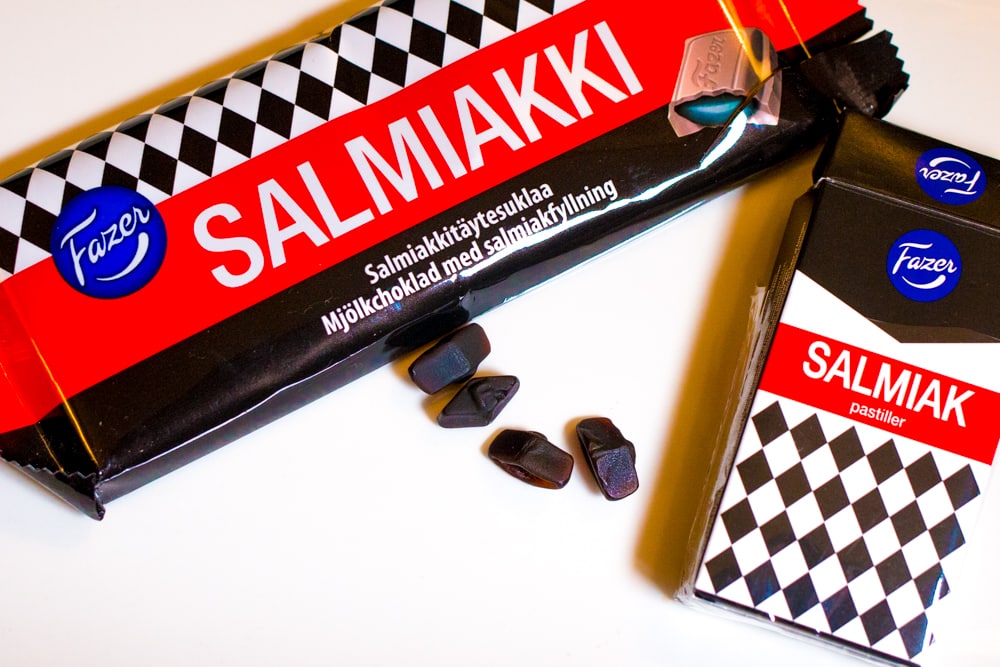
Salty licorice requires a special licorice-loving palate. While black licorice flavored with salmiak salt is wildly popular in Nordic countries like Denmark, Iceland, Norway and Sweden, it’s an acquired taste that many people in other countries never acquire.
Finland’s Fazer makes a Salmiakki candy bar that pairs salty licorice with sweet milk chocolate. It’s a fun combination for candy lovers like us who already acquired the taste.
8. Ferrero Rocher

Year Introduced: 1982
Country of Origin: Italy
Current Owner: Ferrero International SpA
Invented in Alba, an Italian town famous for its white truffles, each Ferrero Rocher packs a big punch inside a small package. In this case, the package includes a whole roasted hazelnut that’s dipped in smooth chocolate cream and surrounded with crispy wafers and hazelnut pieces. A gold wrapper adds a stylish finishing touch.
The candy confection could be called the son of Nutella. The Ferrero Group started selling the globally popular hazelnut spread 36 years earlier in 1946.
9. Galaxy / Dove
Year Introduced: 1960
Country of Origin: United Kingdom
Current Owner: Mars, Inc.
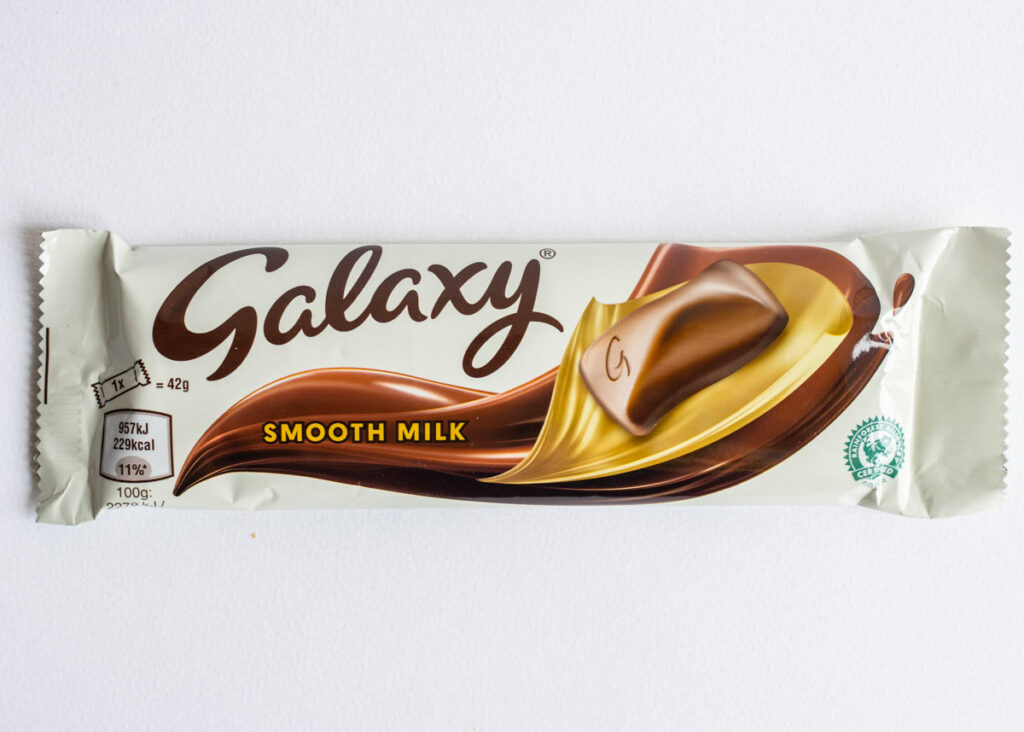
Since the Galaxy Smooth Milk bar is the second most popular candy bar in the UK, the question isn’t if Brits love milk chocolate. Instead, the question is: Why is the same candy bar called a Dove bar in the US?
Despite the two different names, both bars are pure milk chocolate without any nuts or extra bits added.
10. Haribo Gold Bears

Year Introduced: 1922
Country of Origin: Germany
Current Owner: Haribo GmbH & Co. KG
Haribo, a German candy empire, started selling gummy bears called Goldbären more than a century ago. While there are now scores of Haribo gummy variations, the OG gummy bears are still the company’s best selling candy.
Despite the German name that literally translates to gold bears, these gummies are sold in a rainbow of colors around the world. Interestingly, the flavors vary by country. The US flavors are lemon, orange, pineapple, raspberry and strawberry while the German version adds apple to the fruity mix.
11. Hershey’s Bar
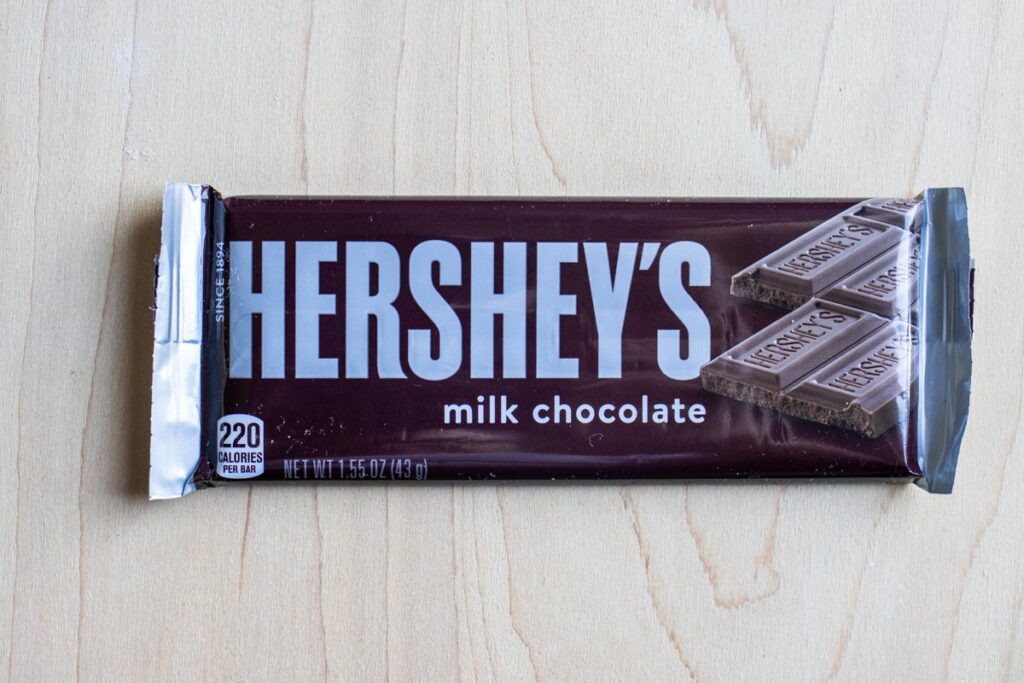
Year Introduced: 1900
Country of Origin: United States
Current Owner: The Hershey Company
The Hershey Bar became Hershey’s most iconic signature product after Milton Hershey perfected a unique chocolate process that uses milk instead of milk powder. That process has made the Hershey Bar an American institution despite the candy’s slightly sour milk flavor. It also transformed Hershey into a candy juggernaut and one of America’s greatest success stories.
12. Jelly Belly

Year Introduced: 1976
Country of Origin: United States
Current Owner: Jelly Belly Candy Company
Jelly Belly has come a long way, both literally and figuratively, since the Goelitz candy company produced eight flavors of gourmet jelly beans in Illinois. Those eight flavors were cream soda, grape, green apple, lemon, licorice, root beet, tangerine and very grape.
Today, the company, which is now called Jelly Belly Candy Company, is based in California and sells an ever-growing roster of creative flavors (think buttered popcorn and juicy pear) to candy lovers around the world. It’s fun to guess those flavors, many of which are eerily accurate representations of real foods.
13. Kinder Bueno

Year Introduced: 1990
Country of Origin: Italy
Current Owner: Ferrero International SpA
Kinder Bueno, a wafer candy bar that pairs hazelnut cream with milk chocolate, is a quintessential European candy. Its manufacturer, Ferrero, is Italian while its name combines a German word (kinder) with a Spanish word (bueno), a combination that loosely translates to good children. Plus, Kinder Bueno is a wonderful gelato ingredient that’s prominently featured in many Italian gelato shops.
14. Kit Kat
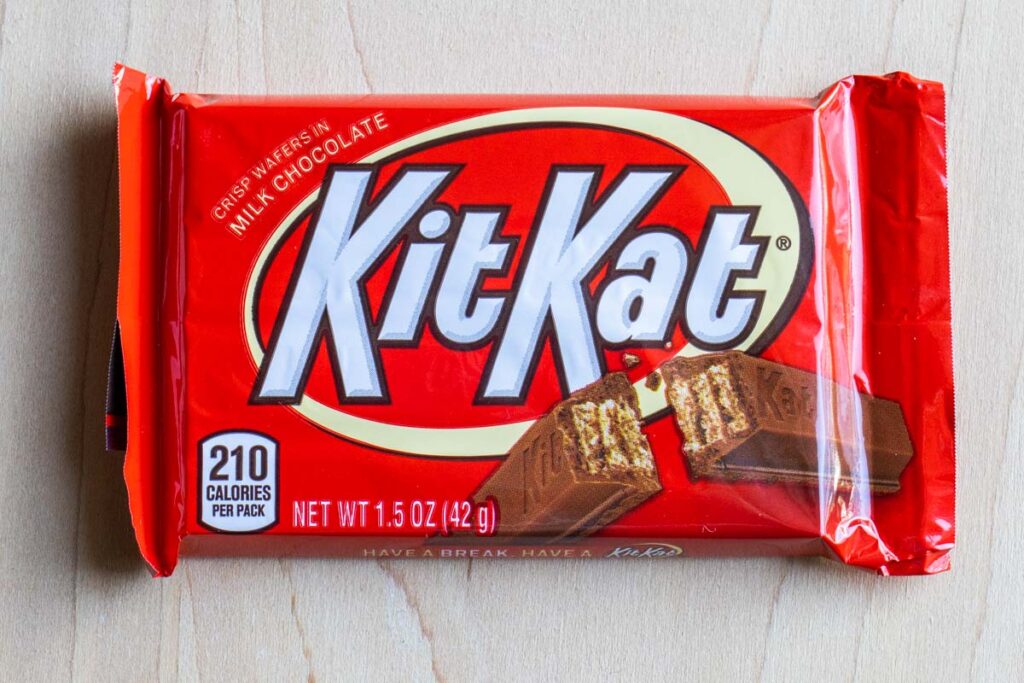
Year Introduced: 1935
Country of Origin: United Kingdom
Current Owner: Nestlé
Originally called Rowntree’s Chocolate Crisp when it debuted, this chocolate-covered wafer bar’s name was quickly changed to Kit Kat. The renamed candy eventually became one of England’s most popular chocolate bars.
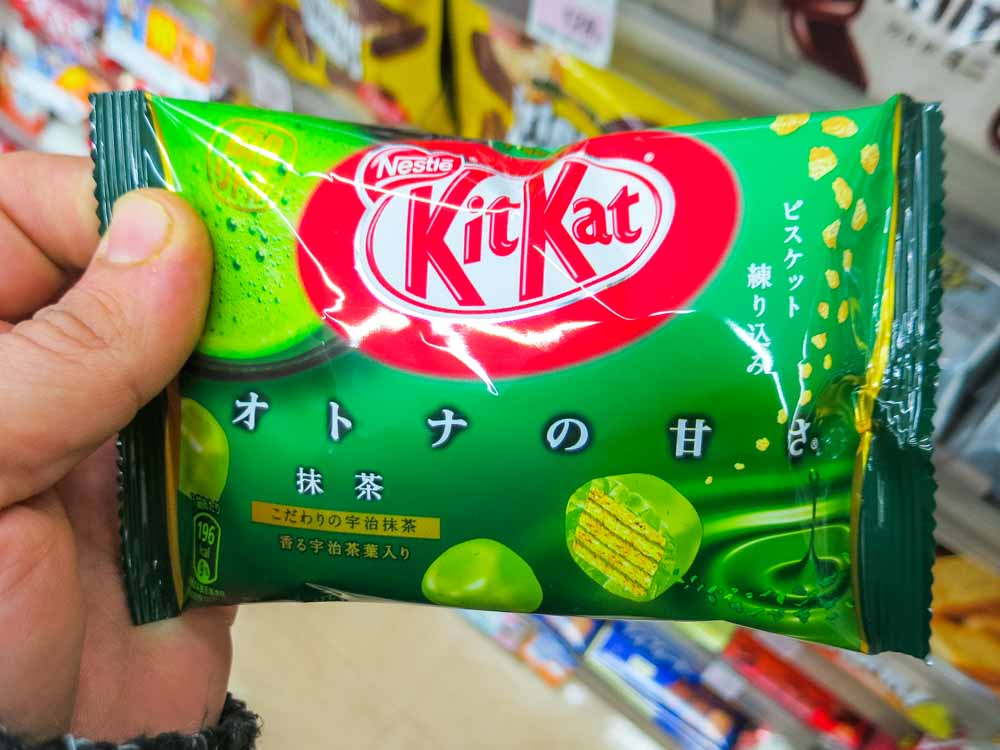
Beyond the UK, the Kit Kat is one of the world’s most global candy bars with a huge presence in multiple countries around the world. It’s especially popular in Japan where a rainbow of Kit Kat flavors including matcha-infused Green Tea are available.
15. Kvikk Lunsj
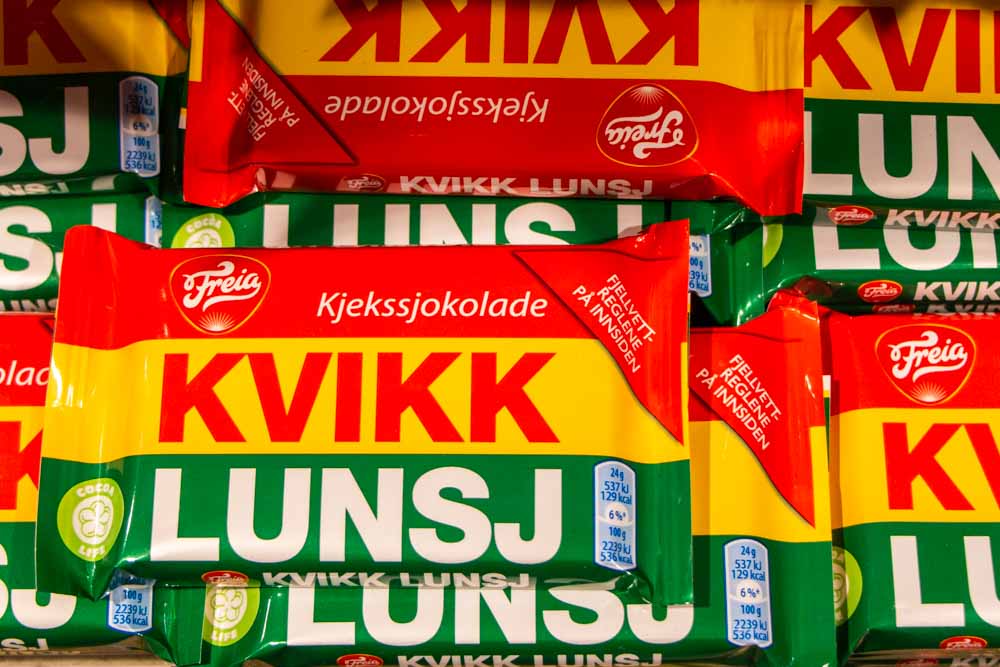
Year Introduced: 1937
Country of Origin: Norway
Current Owner: Mondelēz International, Inc.
Chocolatier Freia introduced Kvikk Lunsj, a four-fingered wafer bar, in 1937, two years after the Kit Kat debuted in the UK. The Norwegian candy bar is so similar to the Kit Kat that Nestlé unsuccessfully tried to ban candy competitor Mondelez from producing its chocolate wafer bar for the Norwegian market.
After tasting both candies, our assessment is that the two candies aren’t quite the same. The Kit Kat is a bit crunchier while the Kvikk Lunsj is a bit creamier.
16. Lindt Chocolate Bar

Year Introduced: 1845
Country of Origin: Switzerland
Current Owner: Lindt & Sprüngli
Originally a 19th century Zurich confectionary shop called David Sprüngli et Fils, Lindt & Sprüngli has morphed into a global chocolate company that creates and sells a range of luxury chocolate products. Some of those products, like the company’s chocolate bars, gold bunnies and Lindor truffles, are candy classics. Others, like Lindt’s multiple Dubai and Tokyo chocolate flavors, are more of the moment.
17. Lotte Ghana Chocolate Bar

Year Introduced: 1964
Country of Origin: Japan
Current Owner: Lotte Group
Despite its Africa-inspired name, Lotte Ghana is an Asian candy – its Japanese manufacturer, Lotte Confectionary, was founded by a South Korean entrepreneur. Ghana, the name’s inspiration, is one of the world’s most prolific chocolate-producing countries.
The premium chocolate bar comes in a range of flavors that include black chocolate, matcha chocolate, milk chocolate, pink strawberry chocolate and roast milk chocolate. We tried the black chocolate flavor but are curious to try the roast milk chocolate flavor when and if we find it.
18. M&M’s
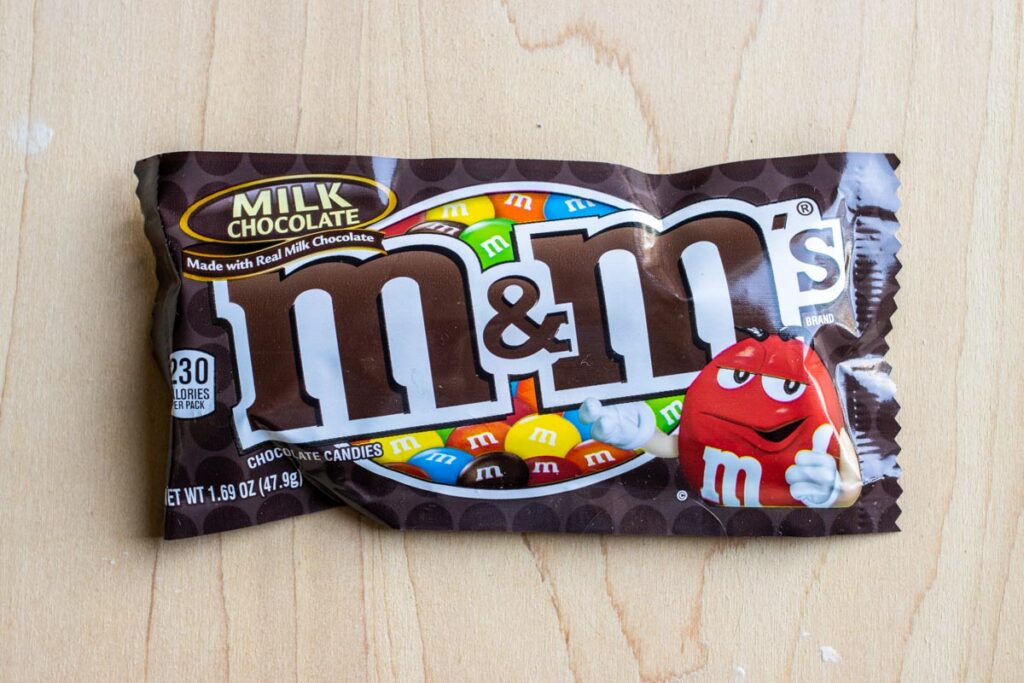
Year Introduced: 1941
Country of Origin: United States
Current Owner: Mars, Inc.
Originally inspired by rations eaten by soldiers during the Spanish American War, M&M’s live up to their tagline since they “…melt in your mouth and not in your hands.” Now available in multiple flavors including caramel and fudge brownie, today’s M&Ms would make Forrest E. Mars Sr. and Bruce Murrie (the original M and M) proud. Their colorful, chocolate-filled candy creation ranks as one of the world’s most popular candies.
19. Marou

Year Introduced: 2011
Country of Origin: Vientam
Current Owner: Marou
Marou defines the concept of sustainability with its literal bean-to-bar approach to chocolate. The company buys cocoa beans directly from Vietnamese farmers and then roasts those beans with both care and expertise. After transforming the roasted beans into chocolate bars, team members package the bars in gold paper and colorful wrappers.
We first experienced Marou’s excellent chocolate at the original Maison Marou in Saigon in 2016 and again in Hanoi a couple years later. The passion of founders Vincent Mourou and the late Samuel Maruta was as memorable as the Dong Nai 72% single origin chocolate bar that we purchased. Each bite of that bar revealed a glimpse into the Upper Dong Nai region’s terroir.
20. Meiji Chocolate Bar

Year Introduced: 1926
Country of Origin: Japan
Current Owner: Meiji Co.
With its original milk chocolate bar, Meiji introduced chocolate to millions of Japanese kids almost a century ago . Fast forward to the present and that milk chocolate bar is still the company’s signature product.
Despite its success, Meiji hasn’t rested on its milk chocolate laurels. Instead, Meiji continues to innovate with flavors like almond chocolate and meltykiss as well as its premium The Chocolate line.
21. Milka Chocolate Bar

Year Introduced: 1901
Country of Origin: Switzerland
Current Owner: Mondelēz International, Inc.
Originally produced by a Swiss family and named after the German words milch (milk) and kakao (chocolate), Milka bars have gone global with their ownership, production and distribution. Now owned by Mondelēz International, the company produces most Milka chocolate bars in Germany and sells them around the world.
Some things haven’t changed. Milka bars are still produced with alpine milk. Equally important, a purple cow named Lila is still the company’s mascot.
22. Milky

Year Introduced: 1951
Country of Origin: Japan
Current Owner: Fujiya
Created to cheer up children saddened by World War II, Fujiya’s Milky candy has become a Japanese candy favorite thanks to its creamy, buttery taste and fun packaging. Milky’s mascot Peko-chan, with her big smile and cute pigtails, has become an iconic character that’s transcended into Japanese pop culture.
Milky’s chewy texture reminds us of salt water candy. However, its milky flavor, derived from Hokkaido condensed milk, is different from the Atlantic City shore version.
23. Mozartkugel

Year Introduced: 1891
Country of Origin: Austria
Current Owner: Mondelēz International, Inc.
Wolfgang Amadeus Mozart is the most famous composer to have ever called Salzburg home. Beyond music, his legacy lives on in Mozartkugel, a famous Salzburg candy creation that was posthumously named after the genius composer.
The round candy is essentially a dark chocolate ball that’s filed with marzipan, nougat and pistachio. Easy to find at bakeries and convenience stores in Austrian cities like Graz and Vienna, Mozart balls are decadently delicious.
24. Pintarolas

Year Introduced: 1973
Country of Origin: Portugal
Current Owner: Imperial
Portugal’s colorful, chocolate-filled Pintarolas candy is similar to both America’s M&Ms and the UK’s Smarties. However, there’s no debate that the three colorful candies aren’t the same. Pintarolas is the only one of the three that’s produced without gluten. And, similar to Smarities but different from M&Ms, Portugal’s candy is produced without artificial colors.
25. Reese’s Peanut Butter Cups
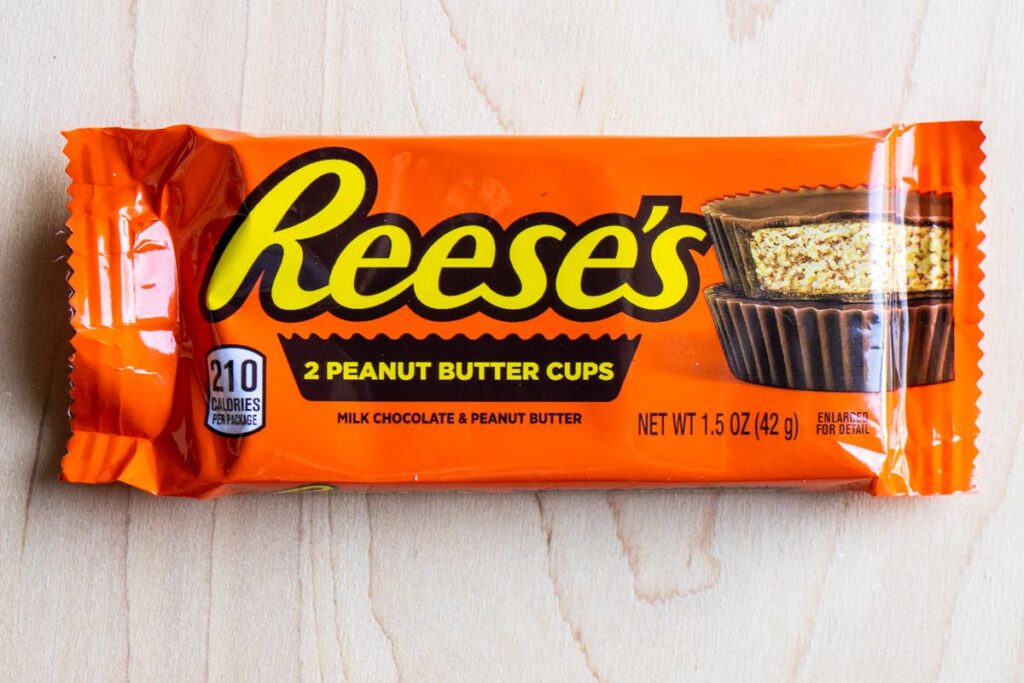
Year Introduced: 1928
Country of Origin: United States
Current Owner: The Hershey Company
Although combining chocolate with peanut butter seems perfectly normal today, the combo was relatively unique when Harry Burnett Reese started mass producing peanut butter cups in Hershey, PA almost a century ago. The resulting candy, Reese’s Peanut Butter Cups, is now the most popular candy produced by Hershey’s and one of the most popular candies in the world.
The real trick here is the way the salty peanut butter melds with the confections sweet milk chocolate. The result is truly two great tastes that taste great together.
26. Riesen

Year Introduced: 1934
Country of Origin: Germany
Current Owner: August Storck KG
Hugo Oberwelland changed candy history when his company, August Storck, introduced wrapped candy to the German market in 1934. That caramel candy, Storck 1 Pfennig RIESEN, was immensely popular throughout Germany back then.
While RIESEN is still popular today, it’s not the same candy that debuted almost a century ago. Not only is the caramel chocolate-flavored, but it’s also covered with a dark chocolate coating. In other words, there are now two reasons for chocolate lovers to pop a RIESEN into their mouths.
27. Ritter Sport

Year Introduced: 1932
Country of Origin: Germany
Current Owner: Alfred Ritter GmbH & Co. KG
Privately held Ritter Sport stands out from the global pack for a key few reasons starting with its square shape and cleverly engineered packaging. But it’s the variety of flavors that makes Ritter Sport bars truly special.
We’ve personally tasted more than 20 flavors incuding classics like alpine chocolate and marzipan as well as more recent entries like funky white lemon and groovy crunchy bretzel. So far, our favorite continues to be cornflakes for its combination of crispy-creamy textures.
28. ROM Chocolate Bar

Year Introduced: 1964
Country of Origin: Romania
Current Owner: Kandia Dulce SA
With a wrapper that’s inspired by the Romanian flag and the word Bucharesti etched on its top, ROM is a patriotic chocolate bar. It’s also a chocolate bar with a unique history. Not only was it the first mass-produced chocolate bar created in Romania, but it was also the only chocolate bar sold in Romania during the country’s communist years.
Although that dark political period ended in 1989, the ROM chocolate bar has remained popular in its home country. Part of the popularity can be traced to an ingenious 2011 marketing campaign that temporarily, and cheekily, changed the candy’s wrapper to feature an American flag. Another part is likely linked to the chocolate bar’s rum-flavored filling. That rum filling isn’t for everbody – one of us loves it and the other not so much.
29. Roshen Chocolate Bar

Year Introduced: 2002
Country of Origin: Ukraine
Current Owner: Roshen Confectionery Corporation
Previously called the Karl Marx Kyiv Confectionery Factory, Roshen is named after the company’s former owner, Petro Poroshenko. Poroshenko stepped down when he became the Ukranian president in 2014.
The mega company produces hundreds of sweets including Crazy Bee jelly candies and Johnny Krocker wafers. It also produces chocolates bars filled with caramel, creme brulee, fondant and peanuts. While many of those sweets are consumed in Ukraine, a fair amount is exported to countries within and beyond Europe. We bought the Roshen bar pictured here in Portugal.
30. Schogetten

Year Introduced: 1962
Country of Origin: Germany
Current Owner: Ludwig Schokolade GmbH & Co. KG
The concept of dividing a chocolate bar into individual segments doesn’t seem that special. The folks at Schogetten proved otherwise when the they started producing chocolate bars this way a half century ago. This extra step quickly became the German candy company’s special sauce.
Schogetten’s classic line includes nutty fruity, crunchy and creamy bars made with dark, milk and white choclate. The company also produces limited edition bars and seasonal specials. And, yes, all of the bars are still divided into individual segments.
31. Smarties
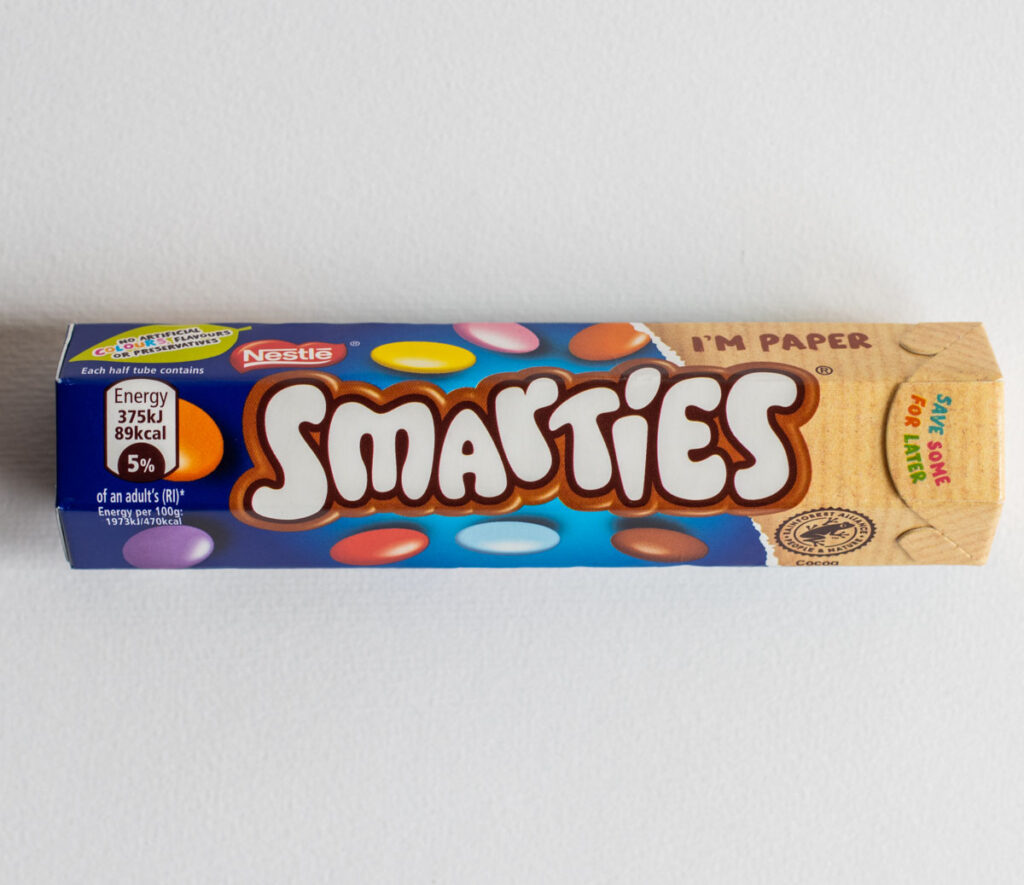
Year Introduced: 1937
Country of Origin: United Kingdom
Current Owner: Nestlé
British Smarties are nothing like American Smarties. The American version is tart, chalky and chocolate-free while the British version is more similar to America’s M&M’s as well as Portugal’s Pintarolas. But, make no mistake, British Smarties are different from those two other colorful, chocolate-filled candies.
Unlike M&M’s and Pintarolas which all taste the same, orange Smartie shells are flavored with natural orange oil. Other British Smartie colors (i.e. blue, brown, green, pink, red, violet and yellow) have no added flavors. Plus, as a bonus, the standard Smarties container is a recyclable hexatube.
32. Snickers
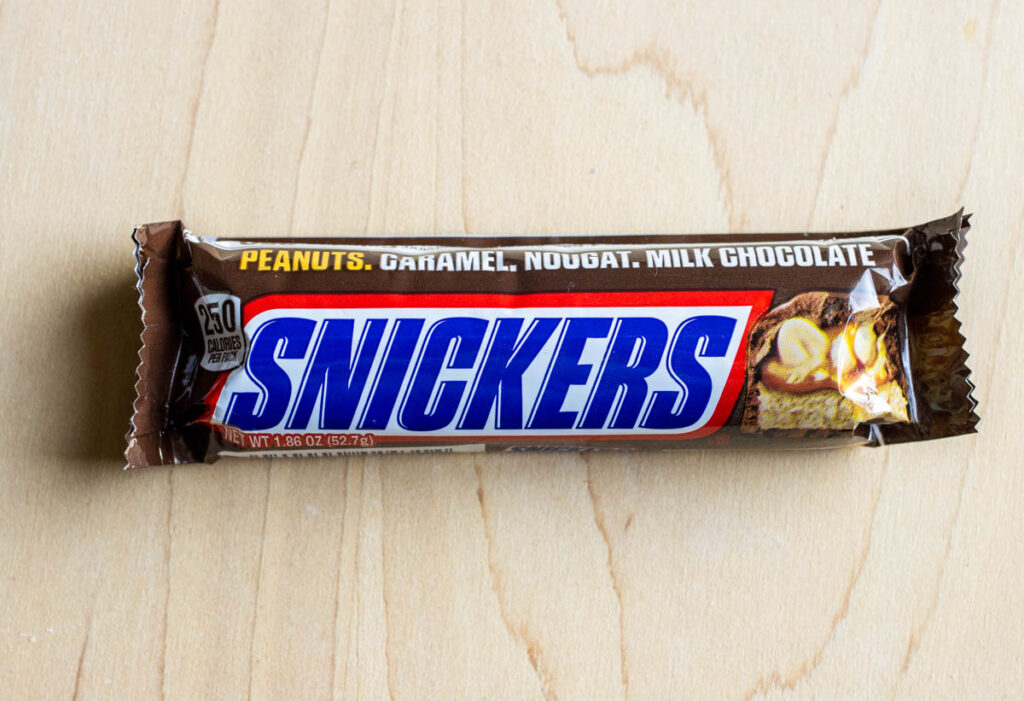
Year Introduced: 1937
Country of Origin: United States
Current Owner: Mars, Inc.
More than just a chocolate bar and nothing like Germany’s snickerdoodle cookie, the Snickers bar contains caramel, nougat and peanuts. And not just a random number of peanuts. Each regular Snickers bar has exactly 16 peanuts.
Named after a horse, the Snickers bar has withstood the test of time. It’s also won the chocolate race as Mars’ most popular bar and a contender for most popular chocolate bar in the world.
33. Swedish Fish
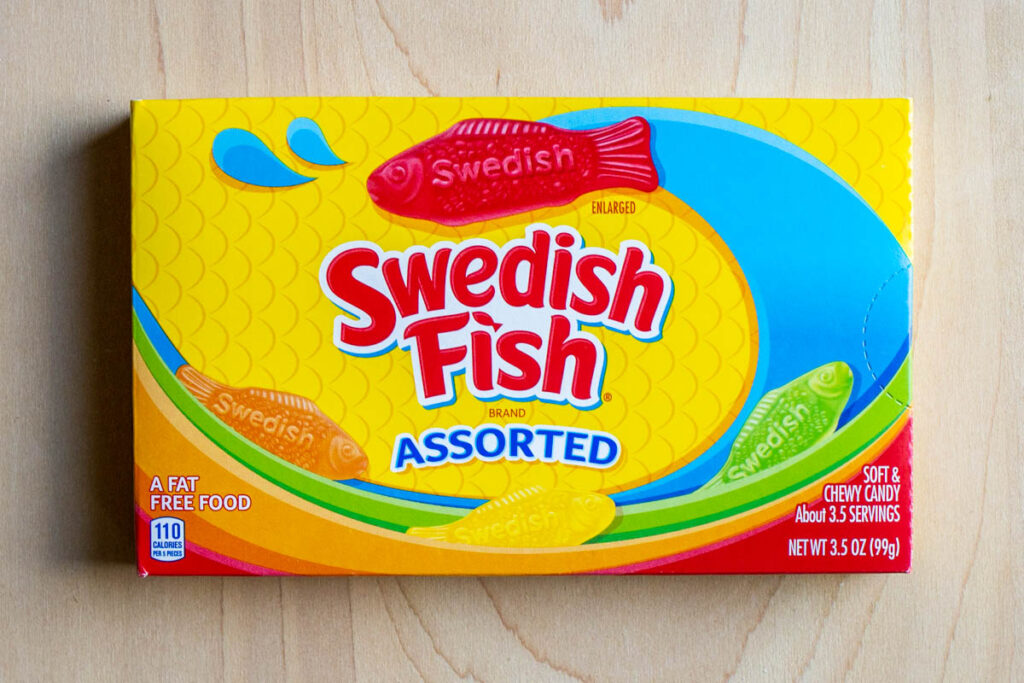
Year Introduced: 1957
Country of Origin: Sweden
Current Owner: Mondelēz International, Inc.
Although Swedish fish were created for the American market, the colorful fish-shaped candy is popular in Sweden too. However, the two versions aren’t the same for two key reasons.
First the name is different – Swedish fish are called pastellfiskar (i.e. pastel fish) in Sweden despite the candy’s bright red, green, orange and yellow colors. Second, the Swedish version includes a black salmiak (i.e. salty licorice) flavored fish that’s not sold in the US.
34. Toblerone

Year Introduced: 1908
Country of Origin: Switzerland
Current Owner: Mondelēz International, Inc.
Toblerone isn’t the only Swiss candy company that produces creamy milk chocolate bars. However, it’s the only one that produces triangular milk chocolate bars made with almonds, honey and nougat. It’s also a candy company with an unusual name.
The company created that unusual name by combining a co-founder’s name (Tobler) with the Italian word for nougat (torrone). As for the Toblerone bar’s shape, that inspiration came from Switzerland’s Matterhorn mountain.
35. Toms Giant Chocolate Turtle

Year Introduced: 1948
Country of Origin: Denmark
Current Owner: Toms International
Danes like chocolate turtles that are filled with ooey-gooey rum caramel. They like them so much that they apparently eat 41 million Toms Giant Chocolate Turtles every year. That’s a lot of turtles. Or, as they say in Denmark, it’s a lot of skildpaddes.
36. Tony’s Chocolonely

Year Introduced: 2005
Country of Origin: Netherlands
Current Owner: Tony’s Chocolonely
Tony’s Chocolonely chocolate bars have catchy names, bright packaging and fun designs. But these chocolate bars are more than they seem. Teun (i.e. Tony) van de Keuken founded the Dutch candy company as a way to combat exploitive practices in the chocolate industry. Keuken previously uncovered these practices while working as a journalist.
Most customers have no idea of the Tony Chocolonely backstory and mission. They just know that they like creative flavors like milk chocolate caramel sea salt (pictured here) and dark milk pretzel toffee. We like them too.
37. Turkish Delight

Year Introduced: 1777
Country of Origin: Turkey
Current Owner: N/A
Turkish Delight is a popular candy in Turkey as well as in Eastern Europe, Greece and the Middle East. Produced for centuries with corn starch and a lot of sugar, the soft candy comes in a variety of different flavors including our personal favorites – pistachio and rosewater.
Simply called lokum in Turkey, Turkish Delight got its international name from Brits who encountered the exotic candy during their travels. There’s even a British candy bar called Fry’s Turkish Delight that coats rose-flavored gelée with chocolate. Most Americans aren’t that familiar with the candy beyond its role in C.S. Lewis’ The Lion, the Witch and the Wardrobe.
38. Twix
Year Introduced: 1967
Country of Origin: United Kingdom
Current Owner: Mars, Inc.
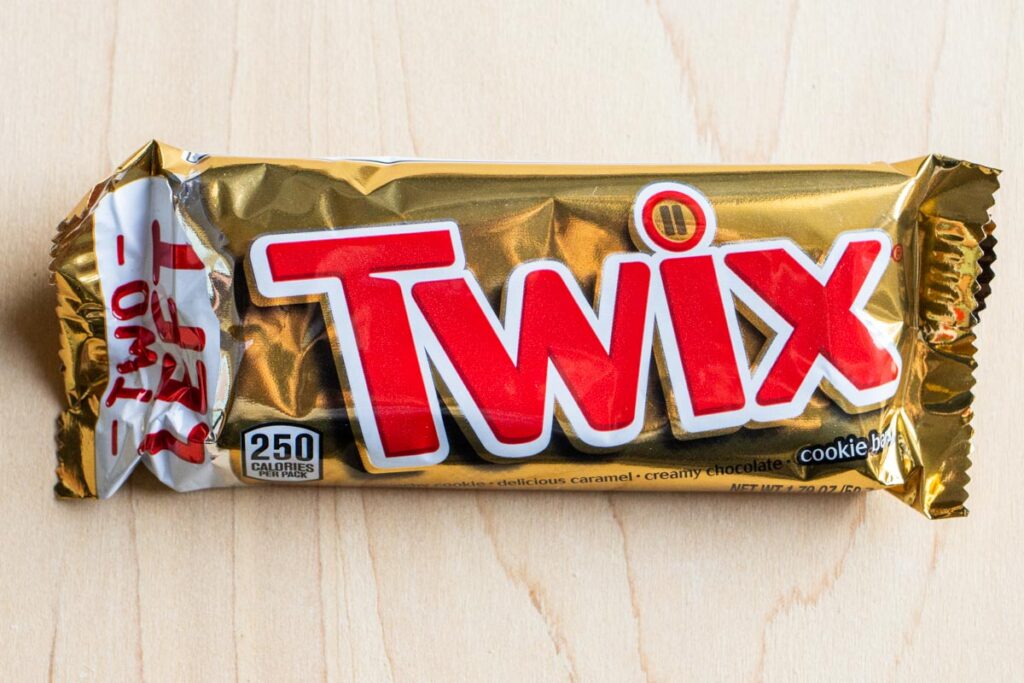
Proving that two candy bars are better than one, each full-size Twix package contains two chocolate-covered cookie bars. Adding to the fun, the candy bars have caramel inside too.
A loose abbreviation of ‘twin biscuit sticks’, Twix has been the candy’s official name in the UK since it debuted in the mid 1960s and in the US three decades later. While it was briefly called Raider in Scandinavia and Turkey, it’s called Twix there now too.
39. Wedel Chocolate Bar

Year Introduced: 1851
Country of Origin: Poland
Current Owner: Lotte Group
Wedel is a top Polish candy brand with a fascinating history. The original owner, E. Wedel, survived devastation during World War II only to be nationalized during the country’s communist years. Once communism ended in 1989, the company was re-privatized before changing ownership multiple times. Wedel’s current owner, the Lotte Group, is one of Asia’s largest confectionary companies.
Today, Wedel sells much of its candy, including an iconic chocolate bar that’s filled with marshmallow, around the world. Its mascot, a boy riding a zebra, is still on the building that houses the oldest Wedel chocolate shop in Warsaw.
40. Werther’s Original

Year Introduced: 1969
Country of Origin: Germany
Current Owner: August Storck KG
August Storck released its signatrure product six decades after the company started selling confections in Werther, a town located in northwestern Germany. Called Werther’s Echte in Germany and Werther’s Original in English-speaking countries, that product is a buttery caramel hard candy.
The nostalgic candy, which is now produced in another German town (Halle), is popular with octogenarians on both sides of the Atlantic. The candy company has introduced additional caramel products, including chewy caramels and caramel popcorn, in an attempt to reach out to younger generations.
🎥 Video Recap
🍬 More Candy
50 American Candy Favorites

50 British Candy Favorites

The Best M&M Flavors: Ranked and Reviewed
📍 Pin This Article
 Pin
Pin Pin
Pin