Lisbon is such a hugely popular European city trip that I honestly think many visitors skip the planning stage entirely.
“Book flight, book hotel, let’s go!” can certainly be a valid approach. You can watch a quick reel’s worth of tips for Lisbon and be on your way. Honestly this city is incredibly well-suited to spontaneous exploration — and unless your time is very limited, you don’t exactly need to craft a minute-to-minute itinerary.
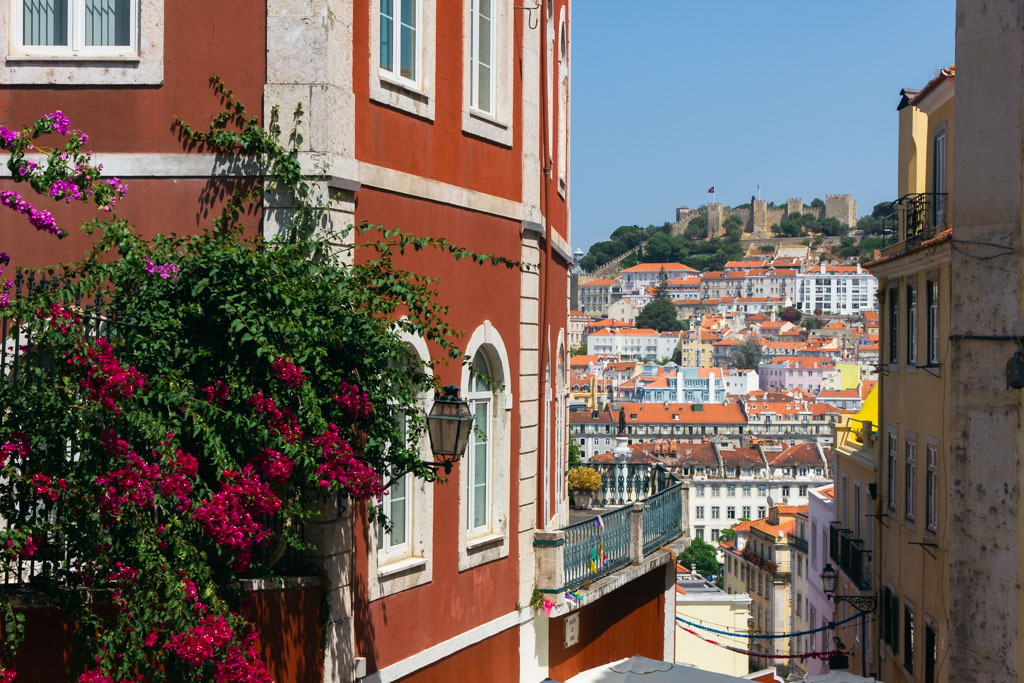
Lisbon’s inherent charms — the pastel-colored houses, hilltop views, vintage trams, and cobblestone streets — need no explanations. And few experiences, apart from maybe some specific day trips outside of Lisbon, need to be locked in ahead of time.
That said… as someone who got to know Lisbon as a tourist before moving and living here for over 10 years, I believe a little research still goes a long way! I see tourists constantly making the same basic mistakes, like getting the language wrong (to the point of offending locals) or thinking they’ve been scammed when they actually haven’t.
To help you out, let me share some tips that will help you discover Lisbon at your own pace but a little better prepared, so that you can avoid some of the most common pitfalls.


A fun walk through Lisbon’s old quarters (with a pastel de nata tasting)

First, bookmark these 3 tours
The truth is that tours are not strictly necessary to enjoy Lisbon. Being so walkable and charming, Lisbon is a great place for unscripted exploration.
However, certain activities are genuinely much better when done in an organized manner. There are three tours specifically that I think have massive added value, either from a travel logistics point of view or because they truly come to life when you have an expert local guide.
I consider these the essential Lisbon “starter pack“:
- Best walking tour: History, Stories and Lifestyle Walking Tour — Having done multiple Lisbon walking tours I find this one offers a perfect overall introduction. My guide was excellent and shared lots of history and context.
- Best day trip: Quinta da Regaleira, Sintra, & Pena Palace Trip — The spectacular gardens and palaces of Sintra are easily the best day trip from Lisbon. Because there is a LOT to see in Sintra and the sights are quite spread out, a tour is the most efficient way to see it all in one day.
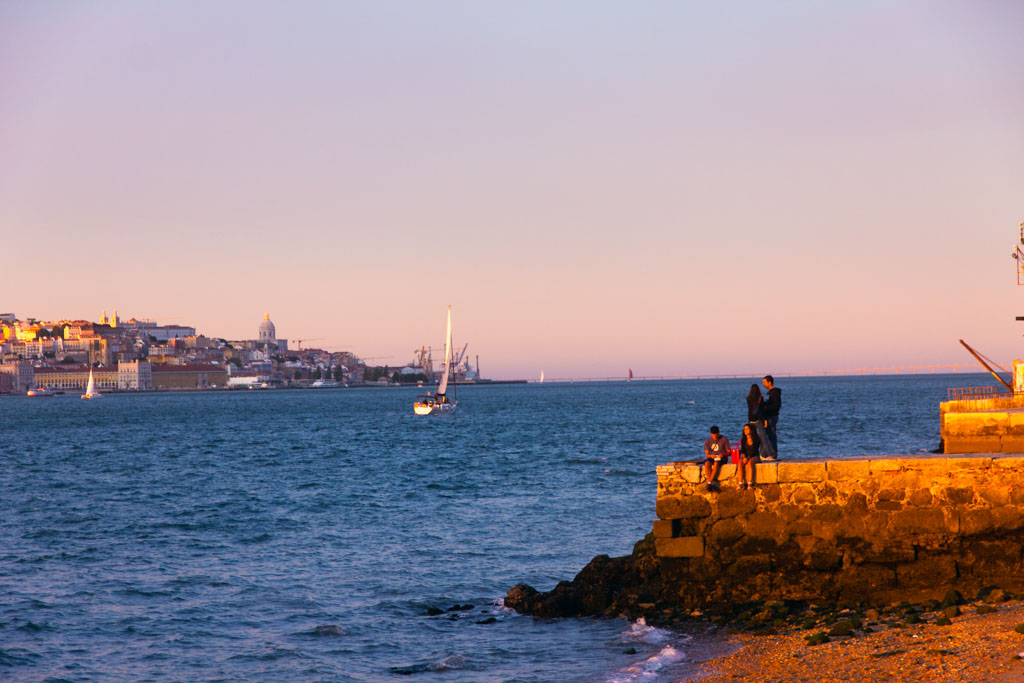
- Best experience: Sunset Sailing Tour on the Tagus River — The sunset views of Lisbon from the river are gorgeous. It’s a great experience (I’ve done it thrice now) and not something you can typically do on your own. There is also a party cruise if that’s more your style.
Consider dropping these tours in your itinerary to check a lot of boxes in one go. Later, I’ll share 20 things to do that you can easily add to your map app for exploring on your own.

Common Lisbon travel mistakes
Lisbon is overall a safe and relaxed city, so it’s difficult to make a truly critical mistake. However, if you want to avoid any cultural faux pas, unexpected costs, or other annoyances, there are a few important things to share.
Avoid speaking Spanish!
One of the biggest mistakes to make in Lisbon (and Portugal as a whole) is to speak the wrong language.
To be clear:
- Portugal is not part of Spain
- The Portuguese language may share some words with Spanish, but they are very different!
- It’s not tapas here, but petiscos!
Portugal is a small and proud country, so people don’t like being mistaken for Spanish, with which they have a friendly but serious rivalry. The local populace won’t exactly chase you away with pitchforks, but they’ll be silently eye-rolling for sure.
English is the best language to use. It’s spoken widely in Portugal and you will not offend anyone by using it. Consider using Spanish only if the person does not speak English at all.
So… do not say gracias! It’s obrigado or obrigada depending on whether you’re male or female.
Bom dia means good day. The end of ‘bom’ is a bit nasal, sounding more like the French ‘bon’. It becomes boa tarde in afternoon (pronounced like tard-uh, not, tar-DAY) or boa noite in the evening.
The Portuguese will love you for it!
Do not wear flip-flops
Lisbon is famous for its seven hills, each providing a breathtaking view of the city. But ascending these heights requires sturdy footwear. Flip-flops don’t have the necessary support for these climbs, which will make your trek less comfortable and potentially risky.
If you’re planning to explore Lisbon’s hilly terrain, you’ll need sturdy, supportive footwear. Flip-flops are great for the beach, but if you try tackling the city in them, you might end up regretting it (especially when it’s raining, but even when it’s dry).
As for heels, they’re a rare sight here, as the cobblestoned streets are simply too treacherous. They’re only an option if, say, you are going direct point-to-point by taxi to a nightlife venue, but they’re impractical when walking the streets.

Don’t let taxis overcharge you
Either use ride-hailing apps (Uber and Bolt are the most-used) or know the true cost of taxis.
Unfortunately, some taxi drivers scam clueless tourists into overpaying. A lot of rides in the center will easily cost under €10. If you’re used to northern European prices, some prices in Lisbon can be surprisingly low!
Having said this, as of 2026 taxi rides from the airport into Lisbon now cost a standard €16 to €19 daytime rate, depending on which zone your destination is it.
The advantage is that overcharging is now a thing of the past when it comes to airport pickups and dropsoffs. The disadvantage is that the standard rate is still easily twice as much as what it used to cost based on the meter. If you want to save the costs of a taxi, you can take the red metro line directly to/from the center.
Be aware of scammers
Some tourists are shocked to find drug dealers in Praça do Comércio or Rossio Square. Most of these guys are actually scammers targeting unsuspecting tourists.
They’re annoying but harmless; simply say no thanks or ignore them, and they’ll go away. Speak to them only if you’re in desperate need of some baking powder or oregano. (This is generally what they’re actually selling — since they’re technically not doing anything illegal, the police can’t stop them.)

Expect extra items on your bill
When dining in Lisbon, it’s common for restaurants to place items like bread, olives, or butter on your table upon arrival. These items, known as “couvert,” are not free extras and will be added to your bill if consumed. It’s not mandatory to accept these extras, so if you’re not interested, you can politely decline.
Also, while tipping is appreciated, it’s not quite as customary as in some other countries, especially if the service charge is already included. Always check the bill before leaving a tip to avoid double-paying!
Be a respectful Airbnb guest
Short-term lets are at last properly regulated in Lisbon, so while they grew like mushrooms for a while, there are now limits on how many there can be.
Just one thing: if you choose to use this form of accommodation, be sure to respect the neighbors. Keep noise levels down, including when rolling luggage through the streets or when getting just a bit too merry.
As one commenter put on Reddit: “We get it, you’re on holidays and on your second bottle of vinho verde… but it’s a Tuesday night and I’ve got to work in the morning.”
Always use local bank ATMs
Avoid generic ATMs like Euronet (usually installed in smaller shops), as they charge outragious fees and poor exchange rates.
Stick to local bank ATMs like Caixa Geral de Depósitos, Millennium BCP, or Santander, and always choose to be charged in euros for the best rate. This simple switch can save you a lot on unnecessary fees!
Be aware that your home bank may also impose international transaction fees, so make sure to check with them beforehand to understand any potential charges.


How to navigate Lisbon
If I can give you just one tip it’s this: the best way to explore Lisbon is by walking!
If you’re the kind of traveler who enjoys puttering along cobblestone streets, sitting down at a cafe patio for some people-watching, or just getting lost on purpose, then you’ll feel right at home in Lisbon.

Built on 7 hills, Lisbon’s topography makes exploring it a lot of fun, with the irregular street layouts and unexpected viewpoints being a constant reward.
Turn a corner and you won’t know what you’ll find next: maybe some colorful traditionally tiled buildings, a quirky crafts shop, a spectacular view of the river Tejo, or maybe some incredible street art.
Since I’m from the Netherlands — famously as flat as a pancake — the verticality of Lisbon has delighted me ever since I moved here. Though I’ll admit I haven’t always appreciated the extra exercise.
Brace yourself for some seriously steep hills and be sure to bring comfortable footwear! One major don’t when visiting Lisbon is wearing flip-flops or heels — ladies, I’m looking at you.
When inevitably your feet get tired, you may wish to use other means of transportation as well, many of which are fun and quite particular to Lisbon.
Let me share some local insight…

Trams: The historic yellow trams are an iconic element of Lisbon. Tram 28 is most scenic and gets mentioned by many travel guides but it gets overcrowded with tourists. Lines 12, 24, and 25 also use the old trams. Modern articulated trams run on line 15, though it’s useful if you’d like to get to the Belém museum district. Beware of pickpockets on busy trams.
Funiculars: These bright yellow tram-like vehicles are designed to take pedestrians up and down the hills and have inevitably become a bit like tourist attractions (despite originally being for local use). The Bica funicular and Glória funicular will help you easily get in and out of Bairro Alto neighborhood.
The funiculars are not just a historic curiosity; a brand new one was built in 2024, connecting the traditional Mouraria neighborhood with the spectacular Graça viewpoint.
As I write this update in late 2026, all funiculars except Graça are unfortunately still out of service, due to safety reviews following an accident in September 2025. Hopefully they will safely return in 2026, as they are such a unique way to get around Lisbon and will save you a tough uphill walk.

Elevators: Several lifts let you cover height quickly. Due to queues, the famous Santa Justa Lift isn’t that practical to use. However, there’s another public elevator hidden in a supermarket letting you warp straight from the lower Baixa to the upper Castelo district, with the glass windows giving phenomenal views of the downtown area, and exiting at a rooftop bar. Just a little Lisbon secret!
Tuk-tuks: These tourist vehicles are common in the old center. Having done two tuk-tuk tours with visiting family, I’m honestly not too excited about them, as the locations they can actually go to is increasingly limited (the city council is pushing them out due to traffic jams and other issues). It can still be fun if you have never ridden one before or you have a particularly entertaining guide/driver.
Scooters/bicycles: In 2027 all scooters (electric steps) from Uber, Bolt, Lime, etc. will be removed from the city as per new city council regulations. Electric bicycles will still be an option, but they’re of less practical use in the hilly areas that tourists like visiting most.
Taxis: Taxis are cheap compared to other Western capitals. The local taxis are an OK way to get around, though the occasional bad apple may try to scam you, so I recommend being aware of the local prices first. The top ride-hailing apps are Uber and Bolt.

This Is Lisbon Hostel
Budget HOSTEL
I stayed in 7 hostels before moving to Lisbon, and this one’s the coziest! Get panoramic views from a restored 19th-century building on a hillside.

Hotel Mundial
4-Star HOTEL
The most centrally located major hotel. A rooftop bar gives 360-degree views, overlooking the castle and the river – a perfect spot for sunset drinks.

54 Santa Catarina Apartments
Charming APARTMENT
Bright, luxurious stays in Santos, the “design district” that’s just 10 minutes from the old center.
See more stays in Lisbon
Best time to visit Lisbon
Since I live in Lisbon I’ve experienced the city at every time of year. I truly believe Lisbon is a great destination year-round. Even winter has its own unique charms, letting you escape the crowds while still enjoying mild temperatures compared to northern Europe.

The only potential issue is the increased rainfall from mid-October until February. This could honestly spoil seriously things if you’re unlucky to have many days of rain during your trip. However, you can use an incidental rainy day to dive into the many indoor museums or visit the spectacular oceanarium. In my experience, mid January to mid March is usually the rainiest time period.
These days Lisbon is always quite busy and crowded in the tourist center except for winter. However, I recommend spring (April and May) or early fall (late September and October) as these are ideal months in terms of both weather and having somewhat lower tourist numbers.
The middle of summer is great too, though prepare for crowds in the city and at the beaches in August, with some places arguably suffering from over-tourism during this time of year.

The classic things to do in Lisbon
Finally, my Lisbon travel guide would not be complete without mentioning some top things to do!
To get you started, here are some of the typical highlights that probably everyone should consider checking out. If you’re into more offbeat suggestions, take a look at my 39 original things to do in Lisbon.
1. Visit St. George’s Castle

Sitting on top of one of Lisbon’s 7 hills, the Castelo de São Jorge is a great place to hit up first after landing in Lisbon. It offers spectacular views of the city — and the windy streets leading up to it, once part of the citadel, are such fun to explore.
The location has been inhabited since at least the 8th century BC. It’s from this hill that Lisbon grew in every direction.

The castle site is extensive and includes a museum, a bar, a restaurant, and many resident peacocks (keep your eyes on the tree canopies where they like to hang out in bunches).
A meme has been going around in the last few years that this castle is ‘fake’. The original fortification is actually from the mid-11th century, built by the Moors. What is true though is that the castle was restored and embellished under dictator Salazar around 1940, so almost all of the ramparts you see were built around this time. As is common with castles, it is heavily built in layers and changed a lot over time.
Rather than inauthentic, I would say it was idealistically renovated. You can see the castle in Medieval paintings showing fewer ramparts, but more towers and buildings at its core that are no longer there.
Tip: The castle grounds itself are rarely too crowded, though the line to enter is often very long, so it’s worth hitting this up early in the day. Regular entry costs €17.
2. See the Praça do Comércio

The Praça do Comércio is the central square of Lisbon. Here was once the harbor and administrative hub from where Portugal controlled commerce with all its colonies.
A little secret: you can get on top of the roof of the big arch, called Arco da Rua Augusta, where you’ll have an amazing view of the commerce square and the river Tejo. This exact map location will lead you to the rooftop entrance.
3. Ride the Santa Justa Lift


This historic cast-iron elevator built in 1902 connects the lower streets of Baixa area with the Largo do Carmo. Originally, it was steam-powered until an electric motor was installed in 1907. It costs €5.30 to go up and down the lift (it’s free if you have the Lisbon Card).
This sight is iconic so I’m listing it here as something to check out and photograph when you’re exploring the Baixa area.
However, know that there is often a big queue to go up the lift, which may not always be worth it. If so, you can save yourself the ticket price and still see the views from the upper platform without riding the lift. Simply walk to Largo do Carmo and you can access the viewing area.

If you’re planning to see a few of Lisbon’s big sights, the Lisbon Card can work out cheaper than buying tickets one by one. It gives you free entry or discounts at a range of attractions, and you can pick a 24, 48 or 72-hour pass.
4. Take a cruise on the Tagus

Get some wind in your hair while cruising the Tagus River, giving you exceptional views of the historical center and the 25th of April bridge. There are three marinas from which tours depart, usually timed to catch the sunset. You can book a 2-hour river sunset cruise on GetYourGuide.
5. Stroll through the maze-like Alfama
The neighborhood of Alfama is a beguiling maze of narrow cobblestone streets, sprinkled with chalk-white chapels and cozy squares shaded by orange trees. It feels like a village inside a city, and getting lost here is just a delight.

Alfama is parodoxical. In some ways, it’s the most typical part of Lisbon, with grandmothers gazing out the windows and musicians performing traditional melancholic fado music. At the same time, it’s also the most touristy area that’s been hugely taken over by Airbnbs and is under threat of losing its essential character.
Despite this, I must highly recommend exploring Alfama. It remains an island of calm, where traffic noise is replaced with the murmur of people and where the smell of grilled sardines often hangs in the air.
Specific sights include the Sé Cathedral and the National Tile Museum (entry €5 or free with Lisbon Card), but it’s best to simply wander around and get lost on purpose.
6. Take a day trip to Sintra
Sintra is not in Lisbon itself (it’s about 40 minutes outside of it), but many visitors to Lisbon choose to dedicate at least one full day to exploring this magical town that’s listed as a UNESCO World Heritage Site.
Surrounded by forests and mountains, Sintra is home to numerous fairytale-like palaces and beguiling gardens filled with varied plants, fountains, secret tunnels, and other unique features.


It’s possible to see Sintra independently; you can take the train from Rossio Square Station, preferably early in the morning. I have more info on visiting Sintra. Make sure you have some good footwear and prepare for a long day of sightseeing!
Given how packed Sintra is with sights (and how spread out they are) it can also be hugely beneficial to do this on a guided tour. This Sintra day tour includes pick-up and drop-off in central Lisbon.
7. Try the Pasteis de Nata
The Pastel de Nata is Portugal’s famous egg tart. You absolutely have to try these yummy treats! They are sold in many bakeries and cafes, though some are known for making some of the best pasteis (try them at Manteigaria, for example). You can also check out this guide to the best pasteis de nata.

Bonus tip: where to find the best Pastéis de Nata?
You can find good pastéis de nata almost anywhere (the recipe is usually the same), but the key is freshness. A pastry straight from the oven is 10x better. Local pastelerias don’t always serve them fresh daily.
Manteigaria Castro and Fábrica da Nata are pastry shops that specialize in pastéis de nata. They bake them on-site and attract plenty of customers – which means freshness is always top-notch.


Otherwise, look for a pasteleria (pastry shop) with a sign saying ‘Fábrica proprio’. This means they have their own bakery.
A different version of the pastry is done at a famous bakery called the Pastéis de Belém.
8. Listen to traditional Fado
Fado music is the heartbeat of Lisbon—raw, soulful, and packed with emotion. Whether you’re a music lover or just in it for the vibe, this sensational side of Lisbon will pull you in and make you feel like you’re part of something timeless.
It’s all about saudade, a word that has no English translation, but which relates to nostalgia, longing, or the bitter-sweetness of life. Even if you don’t understand the lyrics, you can easily feel the intense emotion of the songs.

The thing is that no one really knows where it comes from.
Some say it’s deeply rooted in the melancholic melodies brought by the Moors, who founded the Mouraria quarter in Lisbon after the Christian reconquest. Others believe it came from the Portuguese sailors and their experiences at sea.
What we do know is that Fado has been around for centuries, growing and evolving as Lisbon’s heartbeat.
If you’re ever in Lisbon, don’t miss the chance to experience Fado live. TimeOut has a list of venues to catch a performance so you can see (and feel) it for yourself.

9. Hop between miradouros (viewpoints)
Lisbon is built on seven hills, which means that no travel guide to Lisbon is complete without mentioning the viewpoints (in Portuguese, miradouros) all around the city.
My favorites in the city center are the Miradouro de São Pedro de Alcântara and the Miradouro da Graça, both offering great views of the castle of São Jorge. Another amazing viewpoint is the Miradouro das Portas do Sol.
Ask the locals about their favorite miradouros to find some of the most hidden Lisbon recommendations (I won’t spoil them here!).
10. Visit the Mosteiro dos Jerónimos
This former monastery of the Order of Saint Jerome near the Tagus River is one of the must-see places in Lisbon. The architecture is stunning with intricately detailed columns and arches.

In high season. the line to get tickets can be long, so you may wish to get a skip-the-queue ticket in advance or go in the early morning when it’s at its most peaceful and quiet.
A regular entry ticket costs €10. If you have the Lisbon Card it’s free to enter.
Fun fact: Since 1837, the nearby Pastéis de Belém bakery has made a particular version of it that you can only get here. It’s said this version of the recipe is highly protected and known only to 3 people in the whole world. Given that the bakery employs so many bakers, my money is on this being a bit of a folk tale, but the Pastéis de Belém is absolutely delicious and worth queuing for.
11. Party in Bairro Alto
Lisbon has a buzzing nightlife scene, so you can’t travel to Lisbon and not party it up with the locals!

The nightlife in Lisbon is generally less about clubs and more about bars and street parties. The district of Bairro Alto should probably be your first stop for a fun night out.
The cobblestone labyrinth of Bairro Alto is quiet by day but transforms into essentially one big open-air party at night (mainly on Thursday to Saturday, but with some activity on other days as well). It usually doesn’t truly kick off until midnight, when the streets suddenly fill with people.
Some of the small grungy hole-in-the-wall bars have live music or a small dance floor inside.
12. See the Jardim Botânico de Lisboa
Located centrally near Principe Real Square, this botanical garden was fully renovated in 2018 and is well worth a stroll. It’s possibly the city’s most beautiful one (which is saying something, as Lisbon has quite a few!), so it’s a must-see during your Lisbon trip.

Founded in 1878, the garden is home to about 1,500 species from the four corners of the world. Look for the pine cones of the Bunya, a large Australian tree, which can weigh up to 10 kg each.
P.S. Don’t mix it up with the Jardim Botânico Tropical in Belém! It’s smaller, but what makes it special is its focus on tropical and subtropical plants, showcasing unique biodiversity from those climates.
13. Try the food at TimeOut market
This pioneering food court project (also known as Mercado da Ribeira) brought together some of the best of Lisbon’s cuisine under one roof. It’s a busy place these days, but as a tourist, it lets you easily sample some of the Portuguese food from the many dozens of stalls.

The concept for this market was originally developed in Portugal, which TimeOut has since exported to Miami, New York, Boston, and other cities.
A fun time to go to TimeOut is on Fridays from 20.30 to 23.30 when many people will be dancing to Brazilian forró in the central area — and everyone’s invited to join for a dance.
14. Party in Pink Street

This street is fairly quiet during the day but turns alive once darkness falls. It was once the city’s red-light district, but it’s a regular nightlife area today.
Some of the bars still retain some of the original decor from when they were brothels. Pensão Amor is especially interesting as it has multiple floors and a cool burlesque-style interior. Many bars and clubs along Pink Street stay open until early morning, so when Bairro Alto closes many people move here.
15. Explore the creative hub of LXFactory
In the Alcantara neighborhood, old factories have been turned into a vibrant creative hub with various cafes, workshops, and small boutique businesses. The refurbished spaces and the location under the April 25 Bridge make this an interesting place to go.

Don’t miss the Ler Devegar bookstore which still has huge printing presses inside. The main street of LXFactory also turns into a market fair every Sunday.
Sadly, the Rio Maravilha rooftop cocktail bar, still mentioned or depicted in many travel guides, did not survive the pandemic and permanently closed several years ago.
16. Go to the MAAT museum
You can see the MAAT from miles away, thanks to its futuristic white building that sits like a giant manta ray above the Tejo riverbank. There are usually interesting exhibits inside, but the architecture is beautiful and worth a visit alone.

You can visit the adjacent Tejo Power Station, which has a great permanent exhibit on the history of this former coal plant as well as interesting temporary art exhibits. You can get a combined entry ticket for MAAT and Tejo.
If you have a Lisbon Card, you can get a 15% discount.
17. Visit the stunning Oceanarium

Opened in 1998, the Oceanarium was the centerpiece of the World’s Fair. It is to this day the biggest indoor aquarium in Europe, featuring a huge main tank with two levels of observation deck. The tank houses many schools of fish, reef sharks, and rays. It’s a stunning aquarium where you’ll no doubt have the urge to press your nose against the glass many times.
If you’re visiting Portugal, the Lisbon Oceanarium is a must-see! Get your pre-booked ticket and explore the Oceanário de Lisboa and marvel at over 8,000 sea creatures from four unique ocean habitats.
18. See the Convento do Carmo

This ancient Gothic church perched on top of one of Lisbon’s seven hills still stands to this day without its roof as a visible reminder of the devastating 1755 Lisbon earthquake. This open-air ruin includes an archaeological museum and at night features a digital show called ‘Lisbon under the stars‘.
The event typically includes live music, performances, and various artistic presentations. The convent’s open-air setting, with its gothic arches and sky-filled rooftop, creates a nice backdrop for concerts, performances, and cultural activities. I highly recommend it if you’re a fan of history, and art, or just looking for a unique cultural experience.
Diving deeper
Lisbon is a city with so much to do and it’s worth spending at least 3 days to see the major sights. But there is much more to Lisbon, and I recommend checking out these 39 less obvious sights and activities.
Beyond Lisbon, there are so many excellent day trips in the region and these road trip routes around Portugal will take you deeper into the country.