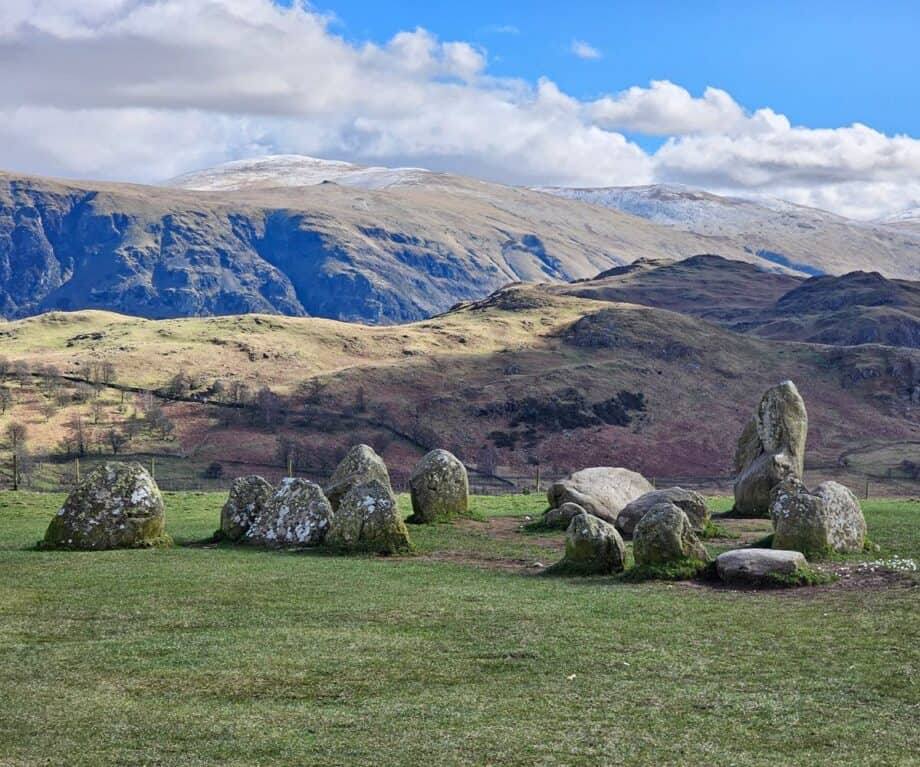
Almost anyone who’s been to the Lake District will rave about the destination as one of the most beautiful corners of the UK. This UNESCO World Heritage Site enjoys repeat visits from those who know the area well, and regularly hosts Duke of Edinburgh expeditions, school trips, day trippers and more.
Using UK demographic models, it’s estimated that somewhere between 60% and 70% of the UK population has visited at least once in their lives. But if you’re one of the 20+ million people in the UK that has still yet to visit, you’ll hopefully find these tips useful.
Whilst it’s not necessarily common, it’s certainly not unheard of for us to take bookings up to two years in advance for our luxury riverside apartment at Kendal Cottages. We hate having to turn people away because we are already booked up, but the reality is that the best places tend to book up first, so it pays to plan ahead.

This doesn’t just apply to accommodation, but to restaurants also. Michelin-starred establishments can be booked up months in advance, especially in high season, whilst it’s also commonplace for even moderately-popular restaurants to be fully booked at weekends, even out of season.
The Lake District has its fair share of mixed weather, so it’s a good idea to check the forecast. And remember that conditions at sea level can be completely different to the tops of the fells. It’s a good idea to also check the Mountain Weather Information Service (MWIS) if you’re planning on a climb.
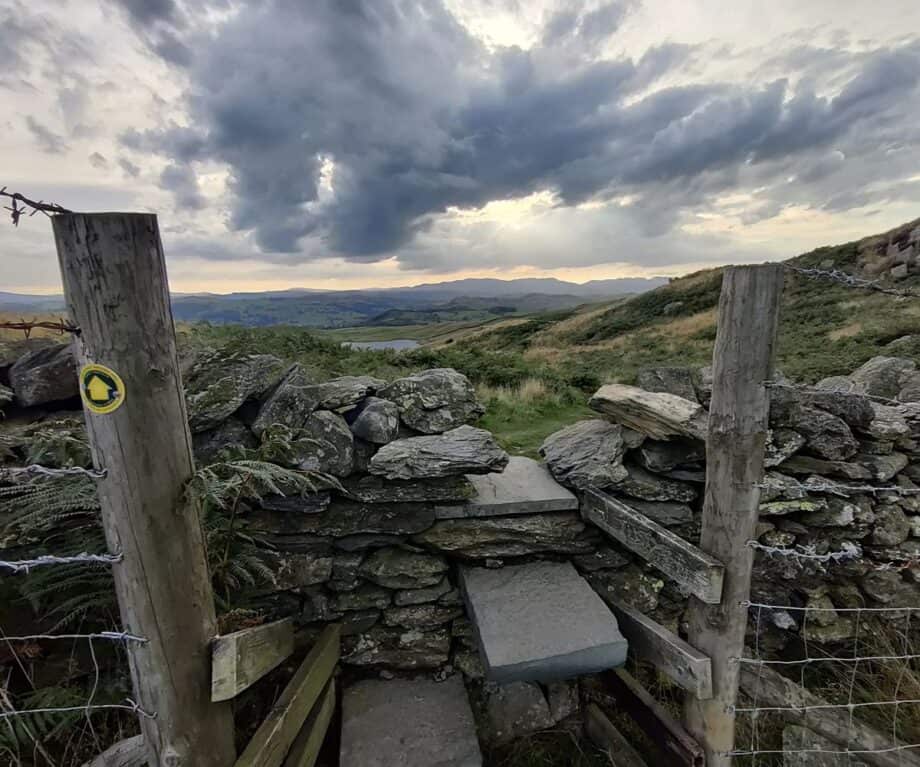
Even if you’ve checked the forecast, it’s a good idea to be prepared for all weather conditions. The weather in the Lake District can change rapidly, with blue skies turning to heavy downpours in a matter of minutes. A good quality waterproof jacket and warm layers, even in mid-Summer, are advisable. And, if you plan to spend any time walking on the fells, make sure you wear suitable hiking boots. Sturdy, waterproof walking boots with good ankle support are essential to stay safe and comfortable.
🌟 Luxury hotel deals from Booking
🏡 Vacation rentals from VRBO
✈️ Flights from KIWI
🛫 Private jets from Private Jet Finder
🅿️ Airport parking from ParkVia
🛋️ Airport lounges from Priority Pass
🚖 Airport taxis from Welcome Pickups
🚗 Car rentals from Discover Cars
🚐 Luxury RV rentals from RVshare
🚢 Cruises from Cruise Direct
🛥️ Ferries from Direct Ferries
🎫 Attractions tickets from Tiqets
🏞️ Tours from Viator or GetYourGuide
🛡️ Travel insurance from Safety Wing
🏥 Medical insurance from World Nomads
🧳 Luggage from Case Luggage
🛅 Luggage storage from Stasher
📚 Travel guides from Lonely Planet
📕 eBooks from Kindle Unlimited
🎧 Audiobooks from Audible
🎬 Movies from Prime Video UK
🎵 Music from Amazon Music UK
💶 Travel currency from Wise
📱 SIMs from SimOptions
🌐 VPNs from ExpressVPN or NordVPN
🛂 Visas from iVisa
Mobile signal is notoriously unreliable or completely non-existent in certain areas within the Lake District, particularly in the deeper valleys or on high fells, so it’s inadvisable to assume you’ll just be able to pull out your smartphone to navigate yourself at any time. Sure, you can download offline maps, but what if your battery dies or your phone is affected by rain? Carrying a traditional paper map and compass, even if it’s just as a backup, is recommended.

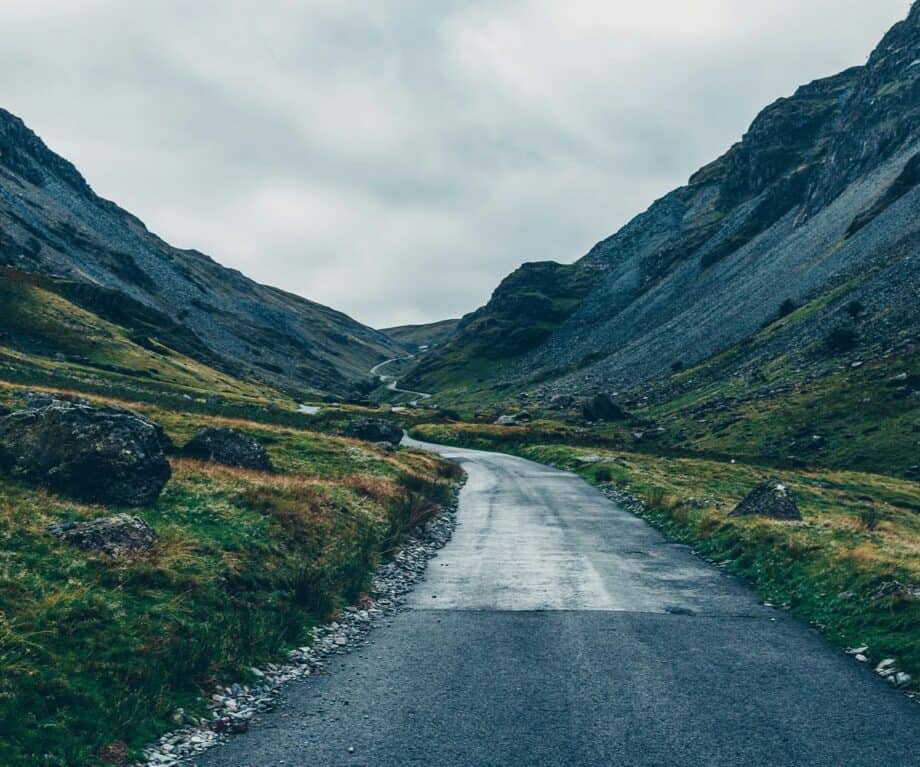
There are some excellent driving routes throughout the Lake District and you’ll enjoy breathtaking views on high mountain roads such as the Honister and Kirstone Passes. But attempt them at your own risk – they can be incredibly steep in places, with gradients of up to 30%, so you want to be sure that your vehicle (and your own nerves) can handle it, and that your brakes and clutch are up to the task of tackling them.
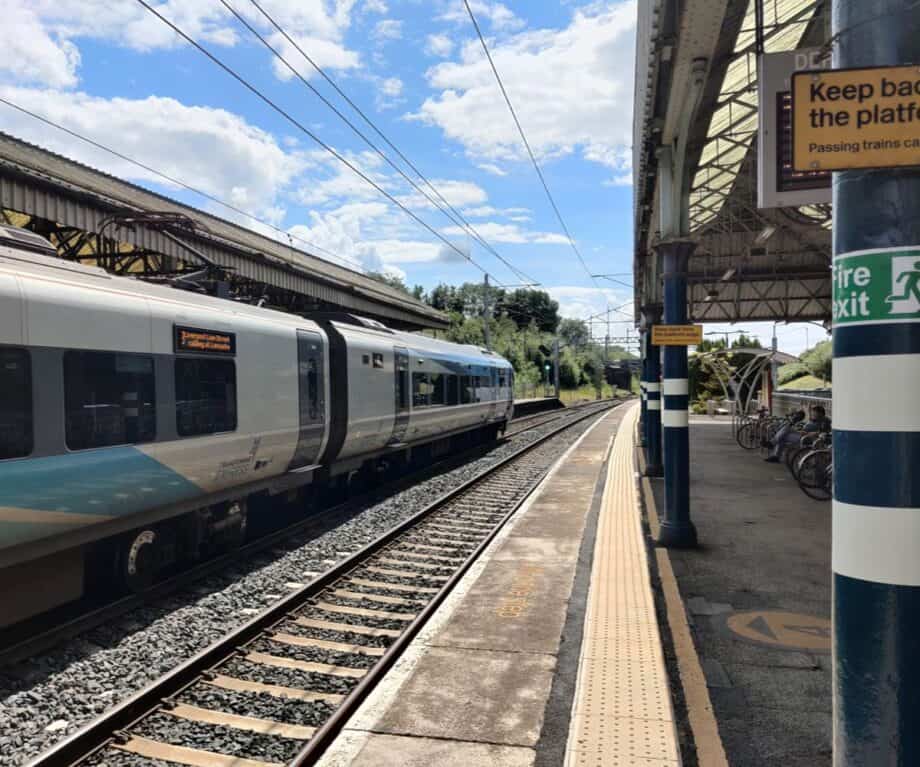
Many people assume you must have a car to get around the Lake District, and this really isn’t true. Whilst your own car might be useful for reaching some of the less accessible parts of the county, it’s certainly not essential, with most key locations served by the train and bus networks. Oxenholme the Lake District is a mainline train station (situated on the route of the London-Glasgow train), situated just three miles from Kendal. From there, you can take a branch line to Windermere. Then there’s also the Stagecoach 555 and 599 open-top buses that provide incredible elevated views along the main central routes of the Lake District – a fantastic, stress-free alternative to driving and hunting for parking spaces.
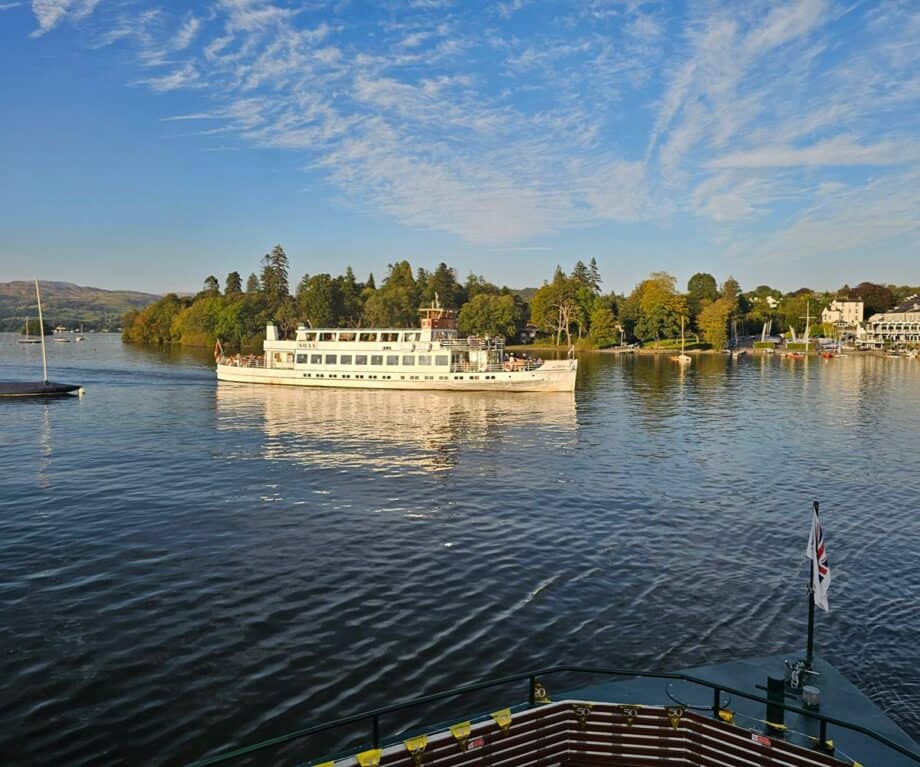
Hopping on a historic steamer boat on Windermere (Windermere Lake Cruises), Ullswater (Ullswater Steamers) or Coniston Water (Steam Yacht Gondola & Coniston Launch) is a brilliant way to travel and explore the Lakes. They all offer stunning perspectives of the fells from the water and connect to various walking routes.
Sadly, things happen sometimes and mountain rescue teams in the Lake District respond to between 600 and 700 emergency call-outs each year. If you are heading up into the high fells, do the responsible thing and let your accommodation provider, a family member, or a friend know exactly where you are going and when you expect to return. In the event of something going wrong, they’ll be able to raise the alarm and they’ll have some idea of where you can be found.

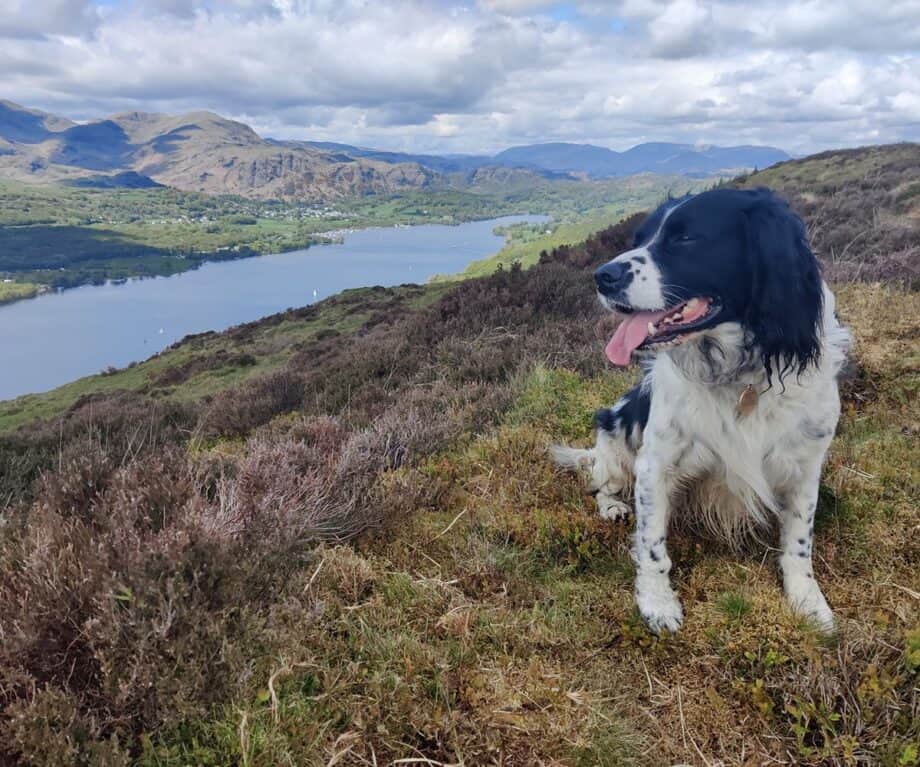
Some lakes and tarns can develop blooms of toxic blue-green alga, particularly during warm and dry spells. Keep an eye out for warning signs and keep your dog out of the water if you have any suspicion that it’s there. Blue-green algae can be fatal to dogs.
This should go without saying. The Lake District is a fragile ecosystem and under huge pressure from visitors. ‘Leave no trace’ goes beyond just taking all your litter with you. Follow the 7 principles published by Wilderness England: 1. plan ahead and prepare; 2. be considerate of others; 3. respect farm animals and wildlife; 4. travel and camp on durable ground; 5. leave what you find; 6. dispose of waste properly; 7. minimise the effects of fire.
Did you enjoy this article?
Receive similar content direct to your inbox.